Interpreted · Apr 29

The Hands That Cannot Reach: A Cry for Help in a Silent World

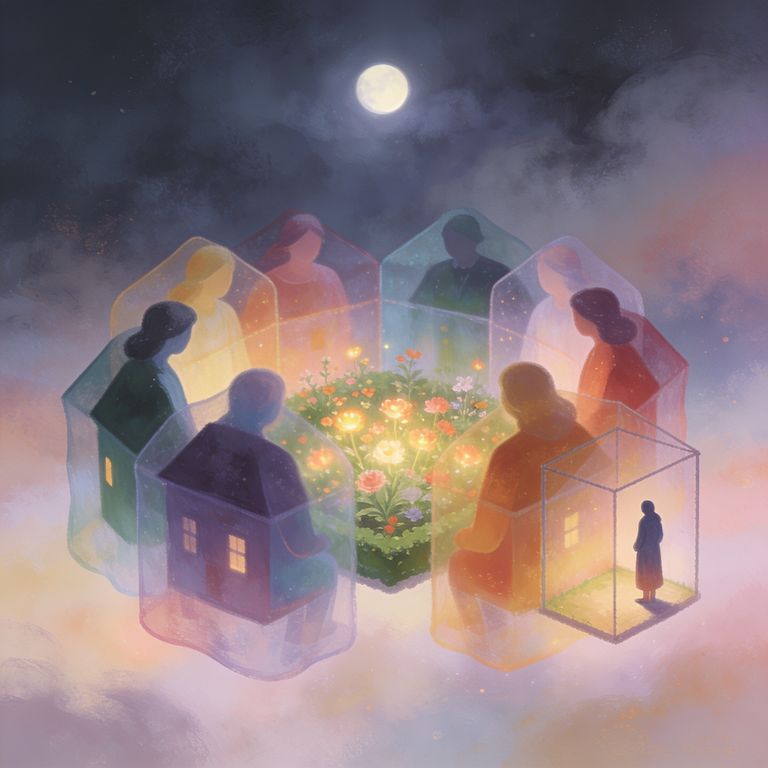
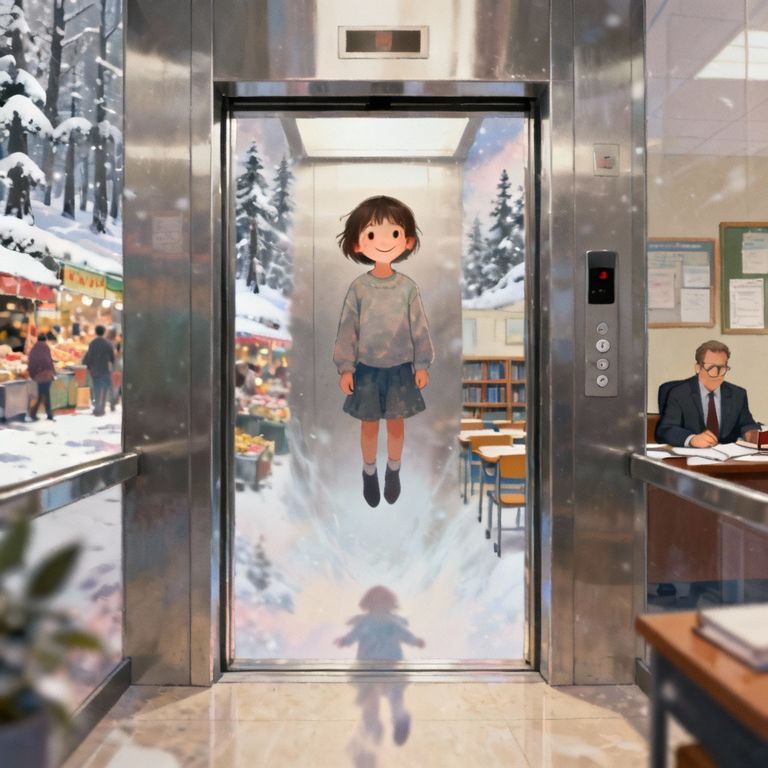
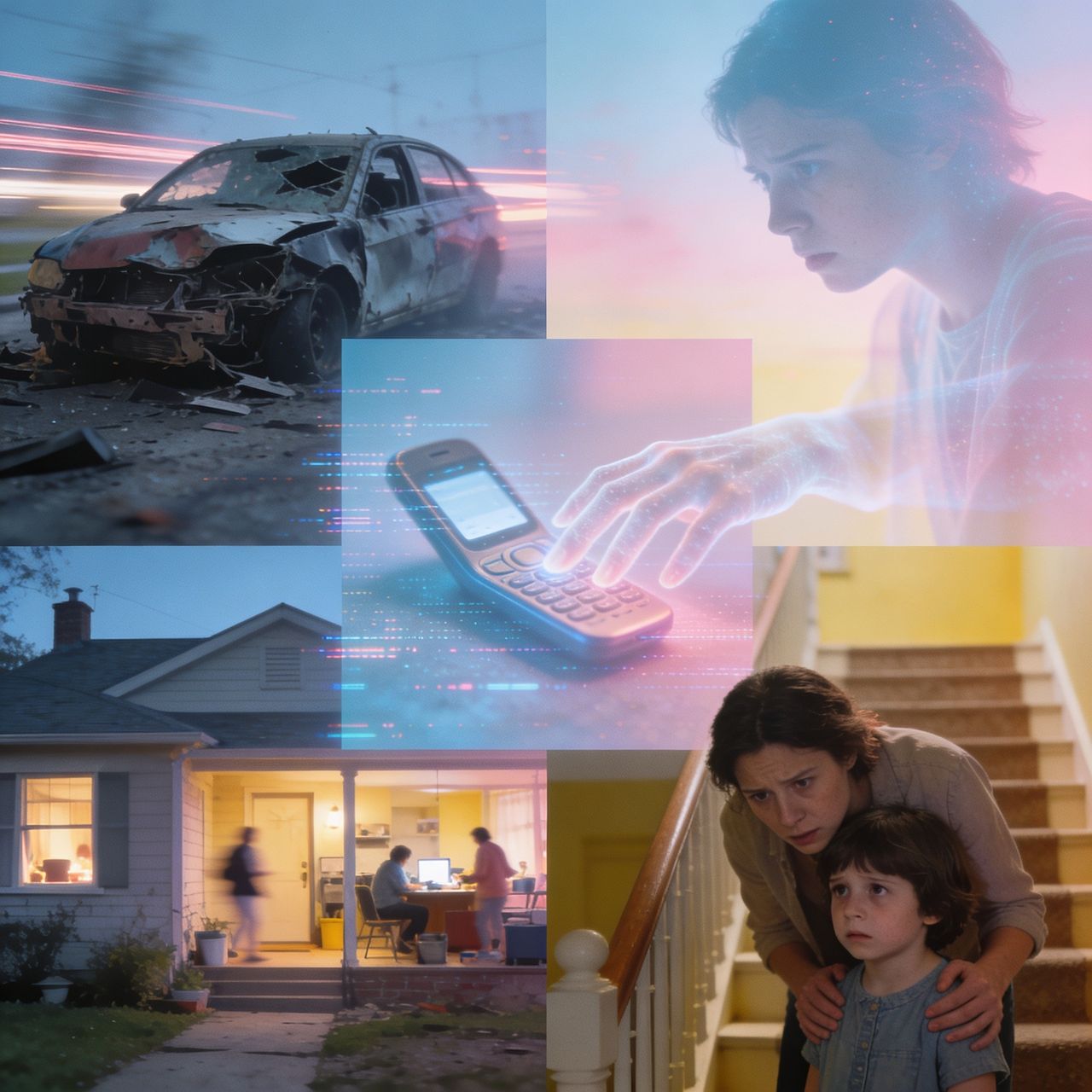
AI visualization of dream: The Hands That Cannot Reach: A Cry for Help in a Silent World
Processing your dream

Progress
Usually takes 10-30 seconds
I'm driving in an accident. It always and slowly And in the house, my hands are starting to get rid of my hands, and I feel like something is happening, and I feel like I'm losing my mind. And I can't get the phone to call or write. So I go out of the house, go to the neighbor, and I'm going to call them a door and ask them to get help. The next step is to get help. They don't understand anything. They look at me and look at me. They keep doing their work. They say they will get help, but they don't get help. I wait until they get help. I don't get help. I can't get help. I can't get help. But the next step is to get help. They keep doing their work. I'm going to go to bed and start asking them to call the police. I see that their children are dangerous to walk by the stairs, and I still try to hold the child to hold the stairs, and I ask them to call the police. I ask them to call the police.
AI analysis

Reading the underside

🌿

A heavy dream isn't a warning — it's your mind working through something that feels big. You're safe. Here's what this one might be telling you.

Summary

This dream plunges you into a visceral nightmare of helplessness, where your own hands betray you and the world around you becomes a deafening void of indifference. It feels like being trapped in a glass box, screaming at the top of your lungs while everyone outside calmly goes about their day, unable to hear or see your desperation.

Key moments
"My hands are starting to get rid of my hands, and I feel like something is happening, and I feel like I'm losing my mind."

This is the emotional core of the dream. The hands, our primary tools for action and connection, are literally dissolving or being taken away. This symbolizes a profound loss of agency—you feel unable to act, to communicate, to change your circumstances. The feeling of 'losing your mind' is the psychological terror of watching your own capacity to cope disintegrate.

"They look at me and look at me. They keep doing their work. They say they will get help, but they don't get help."

This moment is a devastating portrait of isolation and invalidation. The neighbors see your distress but remain frozen in their own routines. Their promise to help that never materializes is a particularly cruel form of neglect—it mirrors experiences where people acknowledge your pain but offer no real support, leaving you feeling even more alone.

"I see that their children are dangerous to walk by the stairs, and I still try to hold the child to hold the stairs, and I ask them to call the police."

Even in the depths of your own crisis, you shift your focus to protect a vulnerable child. This reveals a core part of your psyche: a deep-seated need to be the caretaker, to find purpose in protecting others, even when you yourself are drowning. It's a selfless but also a self-sacrificing instinct—you can't get help for yourself, but you can still try to save someone else.

Layers of meaning

You are in a house, your hands begin to malfunction or disappear, and you cannot use a phone to call for help. You go to a neighbor's house, but they ignore your pleas, promising help that never comes. You then notice their child in danger near some stairs and try to intervene while still begging for them to call the police.

The dominant emotion is a crushing, escalating helplessness that borders on panic. It begins with confusion ('something is happening') and quickly spirals into terror as your primary tool for interaction (your hands) fails. The indifference of the neighbors amplifies this into a deep sense of abandonment and frustration. There is a flicker of purpose when you see the child, but it's tinged with the exhaustion of having to save others when you can't save yourself. The overall feeling is one of being fundamentally unheard and unseen in a moment of extreme vulnerability.

The 'house' is your inner world, your psyche. The 'accident' you are driving in might represent a life situation that has gone out of control. The 'hands' are your ability to act, communicate, and connect. Their failure suggests you feel paralyzed or disempowered in a key area of your life. The 'neighbor' is the outside world—people or systems you turn to for support, but who are ultimately indifferent or ineffectual. The 'child' is your own inner vulnerability, a part of you that needs protection, or perhaps a creative project or relationship that you feel responsible for safeguarding. The 'police' symbolize a higher authority or a definitive solution that remains out of reach.

This dream is a powerful escalation of themes visible in your previous dreams. The 'kvartira' (apartment) from April 9th and the 'house' from December 22nd were spaces of complex internal dramas. Now, the space has become a prison of helplessness. The 'knife' that appeared three times in your history was a symbol of threat and cutting; now, your 'hands' are being 'cut away' or rendered useless—a more profound, internalized version of that threat. The dreams of 'climbing mountains' (January 2nd) and 'wedding lateness' (January 5th) both dealt with struggle and the fear of missing out. This dream crystallizes that fear: you are not just late, you are completely unable to participate. The 'worms' and 'rotten fish' from December 30th represented buried, rotting fears; now those fears have fully surfaced and are actively disabling you. Your subconscious is moving from symbolizing threat (knife) to embodying powerlessness (hands gone).

This dream is a powerful signal that you are feeling deeply overwhelmed and unsupported in your waking life. It's a call to recognize that you cannot do everything alone. The immediate step is to identify the 'accident'—the specific situation in your life that feels out of control. Next, examine your 'neighbors': who are you relying on for support, and are they truly present? This dream may be telling you to stop waiting for others to 'get help' and to find a new way to advocate for yourself, even if it feels clumsy or indirect. The urge to save the child suggests you might be neglecting your own needs by focusing on others. Ask yourself: 'What part of me needs rescuing first?'

Recurring patterns

Across your dreams, there's a clear progression from external threats (the 'knife' in December, the 'pimp' in December) to internal crises (the 'worms' in December, now the 'hands' failing). Your subconscious is turning its attention from 'what is attacking me' to 'what is breaking down inside me.'

In your January 2nd dream of climbing mountains, you were actively trying to find a 'safe spot.' Now, you are in the 'house' (a supposed safe spot) but it has become a trap. This suggests that the external safety you've been seeking is not the answer; the danger is now internal and portable.

The recurring symbol of 'house/kvartira' has evolved. It was a stage for a 'play' (April 9th) and a place of 'warmth and sadness' (January 13th). Now it is a space of desperate isolation. This indicates that your inner world, which once held complexity and even comfort, has become a source of profound distress.

Connections

The 'accident' you are 'driving in' connects to the 'climbing mountains' dream where 'stones fall from under your feet.' Both involve a loss of stable ground and a sense of impending disaster.

The neighbors who 'look but don't see' echo the 'spectacle' in your April 9th dream, where your apartment became a stage. The difference is that now you are not an actor in a play, but a desperate person in a tragedy that no one is watching.

The 'child' you try to save is a direct parallel to the 'sister' in your December 15th dream who came to 'clean your warehouse.' In both cases, you are focused on the needs of others, but here, the act of saving is futile because your own hands are gone.

How to work with this dream
  • Try a 'hand meditation': Before sleep, place your hands on your heart and ask them, 'What do you need from me right now?' Write down whatever comes to mind. This can help reconnect you to your sense of agency.

  • Identify one 'child' (a responsibility, a project, a person) you are trying to protect, and consciously set a boundary. Tell yourself: 'I can only help others if I am strong enough. Today, I will first help myself.'

  • The next time you feel unheard, try a different mode of communication. Instead of talking, write a letter. Instead of pleading, state a clear need. Break the loop by changing your approach.

Possible Meanings
01

Notice how the dream starts with 'driving in an accident' but then you are instantly 'in the house.' This suggests the 'accident' is not a literal car crash, but a metaphor for a life event that has thrown you into a state of internal crisis. The transition is seamless, implying the two are the same thing.

02

What's fascinating is that your hands—the tools for 'reaching out'—are the first thing to fail. This suggests that the core of your helplessness isn't the external situation, but a profound internal block against asking for or receiving help. Your subconscious is showing you that the real barrier is within.

03

The neighbors' behavior is a perfect mirror of 'bystander apathy.' They see, they promise, but they don't act. This could be a reflection of how you perceive others in your life, or it could be a projection of your own fear that your problems are not important enough to warrant real attention.

04

The dream ends not with a solution, but with a repetition of the plea: 'I ask them to call the police.' This looping quality is key. Your psyche is stuck in a feedback loop of desperation because the underlying need—to feel truly heard and effectively helped—is not being met. The dream is the loop itself.

Emotions
Fear Anxiety Frustration Helplessness Despair Vulnerability Confusion Overwhelm
Q01

In your waking life, where do you feel like you are 'driving in an accident'—a situation that has spiraled out of your control?

Q02

Who are the 'neighbors' in your life right now? Are there people who promise help but never deliver, leaving you feeling even more isolated?

Q03

What would it mean for you to 'get help' for yourself, instead of trying to 'hold the child'? What part of you needs rescuing first?

Q04

If your hands could speak, what would they say they need in order to function again? What action have you been unable to take?

Q05

The dream ends in a loop. What would it take to break that loop in your waking life—to find one new, small way to make your voice heard?

Resonance check

Did you recognize yourself?

Your feedback helps improve interpretations for everyone

Dream symbols

Disclaimer

This interpretation is a psychological exploration for self-reflection and personal growth, not a substitute for professional medical or psychiatric advice. If these feelings of helplessness persist, please consider reaching out to a qualified therapist or counselor.

Moderation

Report content

0/500