Knife Dreams: What Knives Symbolize and What They Really Mean
Your heart pounds as you wake from another knife dream. Whether you were defending yourself, wielding a blade with confidence, or facing a threatening figure, these intense nocturnal experiences leave you questioning their significance. Knife dreams rank among the most common and psychologically charged dream symbols, affecting up to 60% of adults according to dream research studies.
🔪 The Dual Nature of Knife Symbolism in Dreams
Knives in dreams embody the ultimate paradox - tools of creation and destruction, protection and threat. Understanding this duality is key to unlocking their deeper meaning in your subconscious mind. The same knife that cuts vegetables for nourishment can become a weapon of harm, reflecting our complex relationship with power and vulnerability.
Dream knives often represent decisive moments requiring sharp action - cutting away toxic relationships, severing outdated beliefs, or making clean breaks from harmful situations. Yet they simultaneously symbolize potential danger, vulnerability, and fear of being hurt. The cutting action itself represents necessary separations and boundary-setting, while the blade's sharpness suggests precision and focused intent.
This symbolic duality explains why knife dreams can feel both empowering and terrifying. Your subconscious uses this powerful imagery to process internal conflicts about taking control versus feeling threatened. The key lies not in the knife itself, but in understanding your relationship with the power it represents.
🧠 Psychological Frameworks: From Freud to Modern Dream Analysis
Freudian theory traditionally interpreted knives as phallic symbols representing repressed sexual energy or aggressive impulses. Freud viewed sharp objects in dreams as manifestations of castration anxiety or power struggles within intimate relationships. While these interpretations seem outdated, they highlight the connection between knife dreams and fundamental human drives for dominance and survival.
Jungian psychology offers a more nuanced perspective, viewing knives as archetypal tools for cutting through unconscious barriers. Jung saw sharp objects as instruments of discrimination - helping the dreamer separate truth from illusion, conscious from unconscious material. This framework suggests knife dreams often occur during periods of psychological growth and self-discovery.
Modern neuroscientific research reveals that knife dreams frequently correlate with elevated stress hormones and heightened fight-or-flight responses during sleep. Studies show these dreams increase by 40% during major life transitions, suggesting they serve as psychological rehearsals for handling challenging situations. Contemporary dream analysis focuses on the emotional context and personal associations rather than universal symbol meanings.
🔍 Key Interpretation Lenses: Who, What, How, and Why
The meaning of knife dreams depends entirely on four critical factors: who wields the knife, what it's used for, how it's handled, and why it appears. These elements create the interpretive framework for understanding your dream's message, transforming vague symbolism into actionable insights.
Who holds the knife reveals the source of power or perceived threat in your waking life. When you're the wielder, the dream typically represents personal agency and decision-making capability. If strangers threaten you with knives, your subconscious may be processing fears about unknown dangers or loss of control. Known individuals wielding knives often symbolize specific relationship conflicts or power dynamics requiring attention.
The knife's purpose determines its primary meaning - cutting food suggests nourishment and preparation, while stabbing indicates defense or aggression. How the knife is handled shows your comfort level with power and control. Confident, skilled knife use suggests mastery over challenging situations, while fumbling or losing control indicates anxiety about managing life's sharp edges. The dream context reveals underlying triggers, connecting symbolic imagery to specific life circumstances.
⚔️ Common Knife Dream Scenarios and Their Meanings
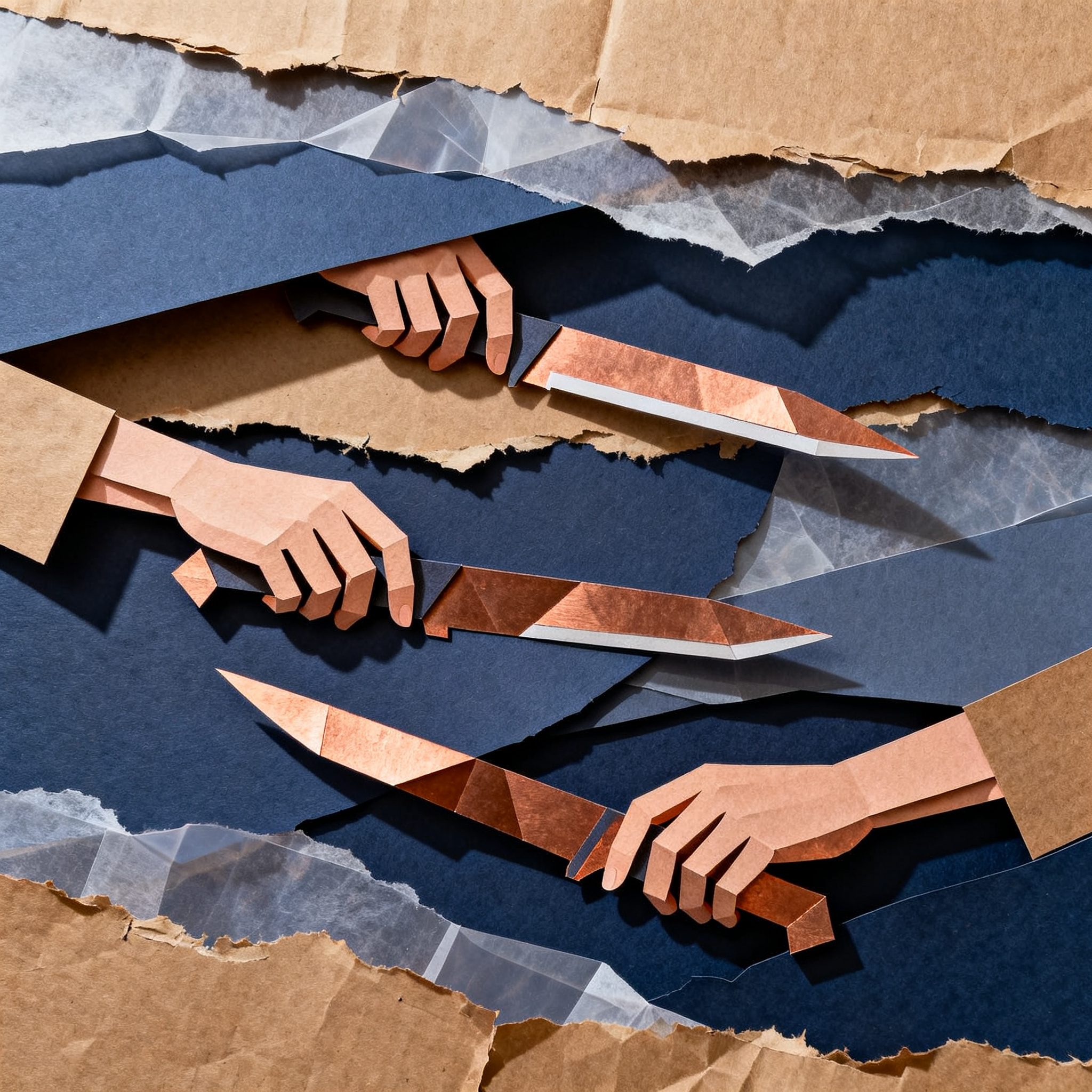
Holding a knife confidently typically represents taking control of difficult decisions or preparing to cut away negative influences. These empowering dreams often occur when you're ready to assert boundaries or make tough but necessary choices. The knife becomes a tool of personal agency, reflecting your readiness to handle challenging situations with precision and determination.
Being threatened with a knife suggests feelings of vulnerability or being under attack in waking life. These dreams frequently emerge during workplace conflicts, relationship troubles, or situations where you feel powerless against external forces. The threatening figure often represents specific people or circumstances that trigger your defensive instincts and survival responses.
Stabbing in self-defense indicates a strong need to protect your values, boundaries, or well-being. These dreams often reflect real-life situations where you feel cornered and must take decisive action to preserve your integrity. Finding knives unexpectedly reveals hidden resources or emerging threats - suggesting either untapped personal power or developing challenges requiring your attention and preparation.
💪 Empowering vs. Distressing Knife Dreams: Reading Emotional Context
The emotional tone of your knife dream determines whether it represents personal power or anxiety. Empowering knife dreams feature calm control, skillful handling, and purposeful action. You feel confident and capable, using the knife as a precise tool rather than a chaotic weapon. These dreams often coincide with periods of personal growth and increased self-confidence.
Distressing knife dreams involve fear, panic, loss of control, or being victimized. You may struggle to defend yourself, accidentally hurt someone, or feel overwhelmed by the knife's power. These dreams typically reflect underlying stress, unresolved conflicts, or feelings of helplessness in waking life situations requiring decisive action.
Your emotional response during the dream carries more interpretive weight than the specific imagery. A calm, controlled knife-wielding dream about ending a relationship suggests healthy boundary-setting, while a panicked dream about the same scenario indicates anxiety about confrontation. Recurring distressing knife dreams may signal unresolved trauma or chronic stress requiring professional therapeutic support.
🌍 Cultural Perspectives on Knife Symbolism Across Traditions
Hindu tradition views knives and sharp objects as symbols of discrimination and divine wisdom. The goddess Durga's sword represents the power to cut through ignorance and illusion, transforming knife symbolism into spiritual tools for enlightenment. This perspective reframes threatening knife dreams as opportunities for spiritual growth and mental clarity.
Buddhist philosophy emphasizes knives as instruments for cutting through attachment and suffering. The ritual knife (phurba) symbolizes the destruction of negative emotions and ego-driven behaviors. From this viewpoint, knife dreams represent the mind's capacity to sever unhealthy mental patterns and achieve greater spiritual freedom.
Indigenous cultures often connect knives to hunting, survival, and protection of the tribe. These traditions view sharp tools as essential for life preservation and community defense. Native American dream interpretation frequently sees knives as symbols of warrior energy and protective instincts rather than aggressive impulses. Eastern interpretations emphasize precision, skill, and the spiritual cutting away of ignorance, offering more positive frameworks for understanding knife dream symbolism.
👤 Decoding the Knife Wielder: Identity as the Ultimate Clue
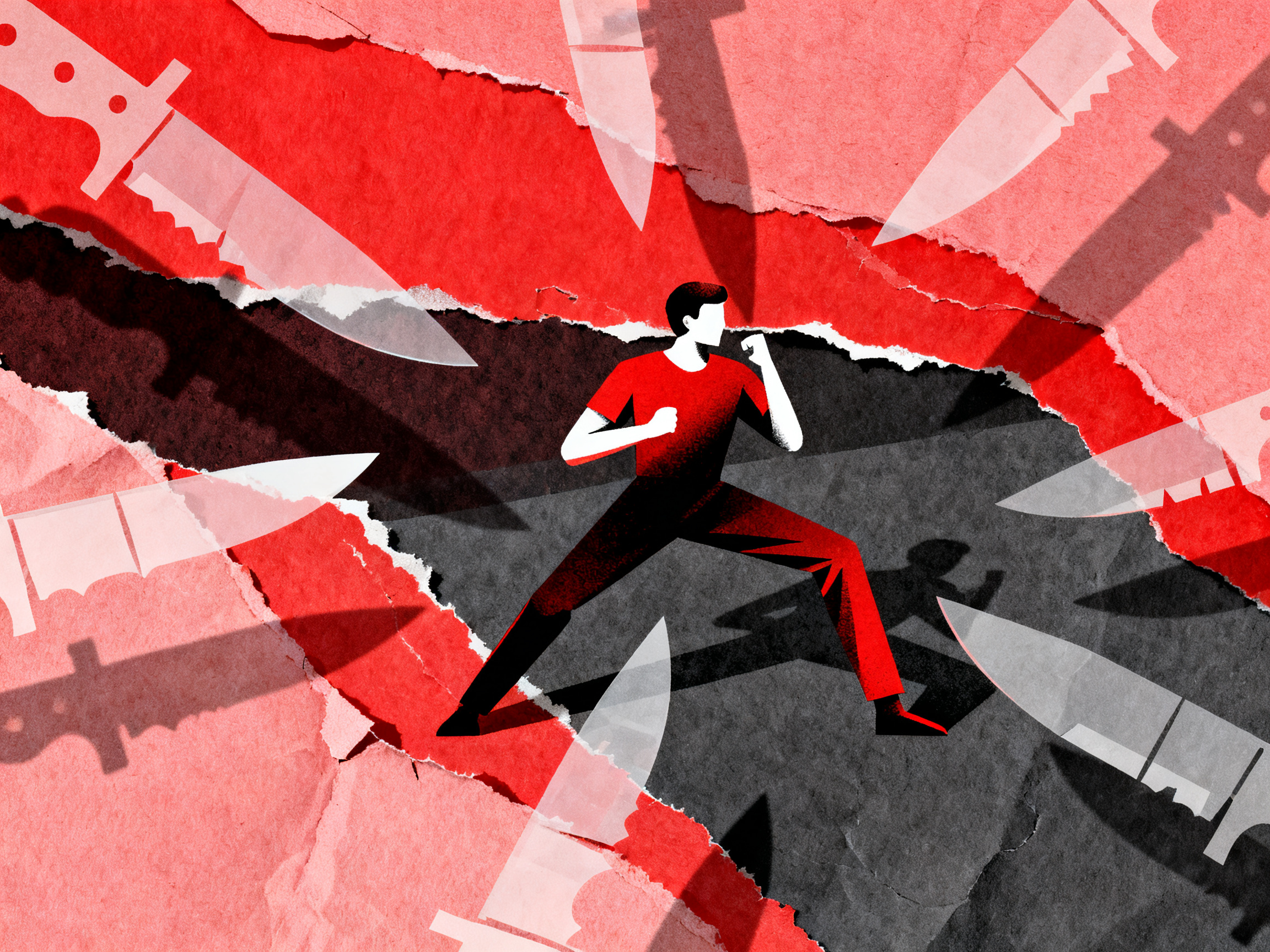
When you wield the knife in dreams, it typically indicates personal agency and readiness to make decisive changes. Self-wielded knives suggest you're prepared to cut away negative influences, end toxic relationships, or make sharp decisions about your future. These dreams often emerge when you're gaining confidence in your ability to handle difficult situations with precision and determination.
Strangers with knives represent unknown threats or unconscious fears about situations beyond your control. These figures often symbolize generalized anxiety about safety, security, or future challenges. The stranger's appearance, behavior, and your response provide clues about specific fears requiring attention and possible preparation strategies.
Known people wielding knives reflect specific relationship conflicts or power struggles with identifiable individuals. When family members, friends, or colleagues appear as knife-wielders, examine your current dynamics with these people for unresolved tensions or feeling threatened by their behavior. Authority figures with knives suggest power struggles with bosses, institutions, or societal expectations that feel oppressive or threatening to your autonomy.
🎯 Life Events That Trigger Knife Dreams
Major life decisions and crossroads frequently trigger knife dreams as your subconscious processes the need for sharp, decisive action. Career changes, moving decisions, or educational choices often manifest as knife imagery, reflecting the cutting away of old paths to pursue new directions. These dreams typically increase frequency during the weeks preceding major announcements or commitments.
Relationship endings or conflicts commonly generate knife dream scenarios where you're either defending yourself or wielding cutting tools. Divorce proceedings, breakups, or serious arguments often trigger dreams about severing emotional bonds or protecting yourself from further hurt. The knife becomes a metaphor for the sharp pain of separation and the necessity of clean breaks.
Workplace stress and power struggles frequently manifest as threatening knife dreams where colleagues or supervisors become menacing figures. These dreams often emerge during performance reviews, layoffs, or competitive situations where you feel vulnerable to professional attack. Boundary violations or feeling unprotected in any life area commonly produce defensive knife dreams where you're fighting to maintain your personal space and safety.
⚠️ When Knife Dreams Signal Trauma: Recognizing Warning Signs
Recurring violent knife dreams may indicate PTSD or unprocessed trauma responses requiring professional therapeutic intervention. If you've experienced actual violence, assault, or life-threatening situations, knife dreams might represent your psyche's attempt to process and integrate traumatic memories. These dreams often feature hyperrealistic scenarios that feel more like flashbacks than typical dream imagery.
Dreams involving real-life threatening situations or specific traumatic events require immediate professional evaluation. When knife dreams recreate actual experiences of violence or abuse, they may indicate incomplete trauma processing that needs specialized therapeutic support. These dreams often interfere with sleep quality and daily functioning.
Knife dreams accompanied by waking anxiety, flashbacks, or intrusive thoughts warrant therapeutic attention regardless of their specific content. If you find yourself avoiding knives in waking life, experiencing panic attacks triggered by sharp objects, or feeling persistent fear related to your knife dreams, these symptoms suggest trauma-related stress requiring professional care and evidence-based treatment approaches.

🔮 Debunking Common Superstitions About Knife Dreams
Knife dreams do not predict actual violence or danger in waking life despite persistent cultural superstitions suggesting otherwise. Dream research consistently shows that symbolic dream content rarely translates to literal future events. These dreams represent internal psychological processes rather than prophetic visions of coming harm or conflict.
Many cultures perpetuate beliefs that knife dreams foretell bad luck, death, or betrayal, creating unnecessary anxiety around normal dream imagery. Scientific dream analysis reveals these dreams as psychological processing mechanisms rather than supernatural omens. Studies tracking dream content and subsequent life events show no statistical correlation between knife dreams and actual negative outcomes.
Cultural superstitions often create more distress than the original dreams themselves, leading people to fear normal psychological processes. Modern dream research emphasizes personal meaning and emotional context over universal symbolic interpretations. Understanding knife dreams as internal psychological communications rather than external predictions helps maintain mental health and reduces superstition-based anxiety about natural dream experiences.
🛠️ Practical Action Steps for Dream Integration
Conduct a decision audit to identify areas requiring decisive action in your waking life. List situations where you've been avoiding tough choices or necessary confrontations. Knife dreams often emerge when your subconscious recognizes the need for sharp, clean decisions that you've been postponing. Create action plans with specific deadlines for addressing these delayed choices.
Examine personal boundaries and strengthen where necessary by identifying relationships or situations where you feel vulnerable or threatened. Practice assertiveness techniques, learn to say no effectively, and establish clear consequences for boundary violations. Many knife dreams reflect inadequate personal protection systems that need conscious reinforcement through behavioral changes.
Assess safety concerns and take appropriate protective measures if your knife dreams involve realistic threats or vulnerability. Update home security, learn self-defense techniques, or modify daily routines to increase personal safety. While dreams aren't predictive, they sometimes reflect legitimate safety awareness that deserves practical attention and preparation.
What Not to Do ❌
Never interpret knife dreams as literal predictions of violence or death. These superstitious interpretations create unnecessary fear and prevent you from understanding the dreams' actual psychological significance. Avoid making major life decisions based solely on dream content without considering practical factors and rational analysis.
Don't ignore recurring distressing knife dreams that interfere with sleep or daily functioning. While most knife dreams represent normal psychological processing, persistent nightmares may indicate underlying trauma or stress requiring professional therapeutic support. Avoiding professional help when needed can prolong suffering and prevent healing.
Avoid applying universal dream dictionaries to your personal knife dreams without considering your unique circumstances and emotional context. Generic interpretations often miss the specific personal meanings that make dream analysis valuable for individual growth and self-understanding.
❓ Frequently Asked Questions About Knife Dream Meanings
What does it mean when you dream of being stabbed by someone you know? This typically represents feeling betrayed, hurt, or attacked by that specific person in waking life. The dream reflects emotional wounds or trust violations rather than predicting physical violence. Examine your relationship with this person for unresolved conflicts or boundary issues.
Are knife dreams more common during stressful life periods? Yes, research shows knife dreams increase by approximately 40% during major life transitions and high-stress periods. These dreams serve as psychological rehearsals for handling challenging situations requiring decisive action or defensive responses.
How do knife dreams differ between men and women? Studies indicate women more frequently dream of being threatened with knives, while men more often dream of wielding them. However, individual dream patterns vary significantly based on personal experiences, cultural background, and current life circumstances rather than gender alone.
When should recurring knife dreams be discussed with a therapist? Seek professional help when knife dreams interfere with sleep quality, trigger waking anxiety, or relate to actual traumatic experiences. Persistent nightmares lasting more than a few weeks or dreams accompanied by intrusive thoughts warrant therapeutic evaluation and possible treatment.
Key Takeaways ✨
Knife dreams represent the dual nature of power - both creative and destructive potential within your psychological landscape. Understanding who wields the knife, how it's used, and your emotional response provides the key interpretive framework for unlocking these dreams' personal significance. The context and your feelings matter more than the imagery itself.
These dreams often emerge during decision-making periods or when you need to establish stronger boundaries in waking life. Rather than fearing knife dreams, use them as psychological compasses pointing toward areas requiring decisive action or protective measures. They frequently signal your readiness to cut away negative influences or defend important values.
Professional help becomes necessary when knife dreams relate to actual trauma, interfere with daily functioning, or create persistent anxiety. While most knife dreams represent normal psychological processing, recurring distressing patterns may indicate underlying issues requiring therapeutic intervention and specialized support for optimal mental health and dream integration.