Lucid Dreaming: A Complete Beginner's Guide to Conscious Dreaming
You're lying in bed when suddenly you realize something impossible: you're flying through your childhood neighborhood, but you know you're dreaming. Instead of waking up, you stay in the dream, fully aware and in control. This isn't fantasy—it's lucid dreaming, and with the right techniques, you can learn to do it consistently.
🧠 What is Lucid Dreaming? The Science Behind Conscious Dreams
Lucid dreaming happens when you become conscious that you're dreaming while remaining asleep and in the dream. Your brain achieves a unique hybrid state where the logical, self-aware parts of your mind activate during what should be unconscious REM sleep. Scientists first documented this phenomenon in 1975 when researcher Stephen LaBerge used eye movement signals to communicate from inside lucid dreams.
Brain imaging reveals fascinating activity patterns during lucid dreams. The dorsolateral prefrontal cortex—responsible for self-awareness and critical thinking—shows increased activation compared to regular dreams. Meanwhile, areas controlling logic and memory remain partially suppressed, creating the strange dream-logic environment where impossible things feel normal until you become lucid.
About 55% of people experience at least one spontaneous lucid dream, usually during adolescence or early adulthood. Regular lucid dreamers make up roughly 8-15% of the population, though these numbers likely underestimate actual occurrence since many people don't recognize or remember their lucid dreams.
📊 Who Can Learn Lucid Dreaming? Success Rates and Expectations
Most people can develop lucid dreaming skills through consistent practice, typically seeing first results within 2-12 weeks. Natural lucid dreamers have advantages in recognizing dream signs and maintaining awareness, but beginners often achieve better results than expected because they approach the practice more systematically.
Your success depends heavily on three factors: dream recall ability, genuine motivation, and practice consistency. People who remember dreams regularly have much higher success rates than those who rarely recall dreams. Age affects learning speed—teenagers and young adults typically progress faster—but older practitioners often show better dream control once they achieve lucidity.
Sleep quality significantly impacts your results. Chronic stress, irregular sleep schedules, and certain medications can interfere with REM sleep and reduce lucid dreaming frequency. However, these obstacles slow progress rather than prevent it entirely. People with sleep disorders often find lucid dreaming techniques actually improve their overall sleep quality.
🎯 Why Learn Lucid Dreaming? Applications and Benefits
Adventure seekers use lucid dreams for consequence-free exploration—flying, visiting impossible places, or experiencing scenarios that physics or finances make impossible in waking life. You can practice conversations, explore creativity, or simply enjoy the ultimate virtual reality experience that your brain generates for free.
Athletes and performers increasingly use lucid dreaming for skill rehearsal. Tennis players practice serves, musicians rehearse pieces, and public speakers work on presentations—all while asleep. Research shows that motor skill practice in lucid dreams can improve waking performance, though not as effectively as physical practice.
Therapeutic applications offer the most compelling benefits for many people. Lucid dreaming therapy effectively treats chronic nightmares, with success rates around 70-80% for reducing nightmare frequency and intensity. Trauma survivors use controlled lucid dreams to safely confront fears and rewrite traumatic dream narratives. Creative professionals report breakthrough insights and artistic inspiration from lucid dream experiences.

🔬 The Neuroscience of Lucid Dreams
During lucid REM sleep, your brain shows a unique activation pattern that doesn't occur in any other state. The prefrontal cortex—normally suppressed during dreams—partially reactivates while maintaining the vivid imagery and emotional intensity of REM sleep. This creates conscious awareness within the unconscious dream state.
Gamma wave activity spikes during lucid dreams, reaching levels similar to meditation or intense focus. These high-frequency brainwaves correlate with heightened self-awareness and metacognition—your ability to think about thinking. The brain essentially bridges conscious and unconscious processes in ways that don't happen during normal waking or dreaming states.
Neuroplasticity research suggests that lucid dreaming practice strengthens metacognitive abilities in waking life. Regular lucid dreamers show enhanced self-reflection skills, better reality testing, and improved awareness of their thought processes. Some studies indicate that lucid dreaming training might help with conditions involving reality distortion, though more research is needed.
✅ Core Techniques: Reality Checks and Dream Induction
Reality checks form the foundation of lucid dreaming practice. Throughout your day, ask yourself "Am I dreaming?" and perform simple tests: look at your hands (they often appear distorted in dreams), read text twice (it frequently changes in dreams), or check digital clocks (time rarely makes sense while dreaming). Perform 10-15 reality checks daily until they become automatic habits.
The MILD technique (Mnemonic Induction of Lucid Dreams) uses intention setting as you fall asleep. Repeat "Next time I'm dreaming, I'll remember I'm dreaming" while visualizing becoming lucid in a recent dream. This programs your subconscious to recognize dream states. MILD works best when combined with strong dream recall and reality check habits.
Wake-Back-to-Bed (WBTB) leverages your natural REM cycles for higher success rates. Wake up 4-6 hours after falling asleep, stay awake for 15-30 minutes thinking about lucid dreaming, then return to sleep. This timing targets REM-rich morning sleep when lucid dreams occur most frequently. WBTB can triple your chances of achieving lucidity on any given night.
Dream journaling amplifies all other techniques by improving dream recall and pattern recognition. Keep a journal beside your bed and record every dream fragment immediately upon waking. Look for recurring dream signs—people, places, or situations that appear frequently in your dreams. These become your personal cues for recognizing the dream state.
📅 Your Practice Timeline: From Beginner to Lucid Dreamer
Weeks 1-2 focus entirely on dream recall and journaling consistency. Don't attempt lucid dreaming yet—just build the habit of recording dreams immediately upon waking. Set your alarm 15 minutes earlier to allow journaling time. If you rarely remember dreams, try going to bed slightly later or drinking water before sleep to create natural wake-ups during REM periods.
Weeks 3-4 introduce reality checks and basic MILD practice. Perform reality checks every time you encounter your personal dream triggers—seeing certain people, entering specific locations, or experiencing emotions that commonly appear in your dreams. Begin setting lucid dreaming intentions as you fall asleep, but don't force the process.
Weeks 5-8 implement the WBTB method once or twice weekly. This intensive period typically produces first lucid dreams for most practitioners. Wake up naturally or use a gentle alarm during your target REM window. Spend wake time reading about lucid dreaming or reviewing your dream journal to prime your mind for lucidity.
Weeks 9-12 focus on dream stabilization and control. Once you achieve basic lucidity, learn to extend and control your lucid dreams. Practice staying calm when you become lucid, use stabilization techniques to prevent awakening, and experiment with simple dream control like changing your surroundings or summoning objects.
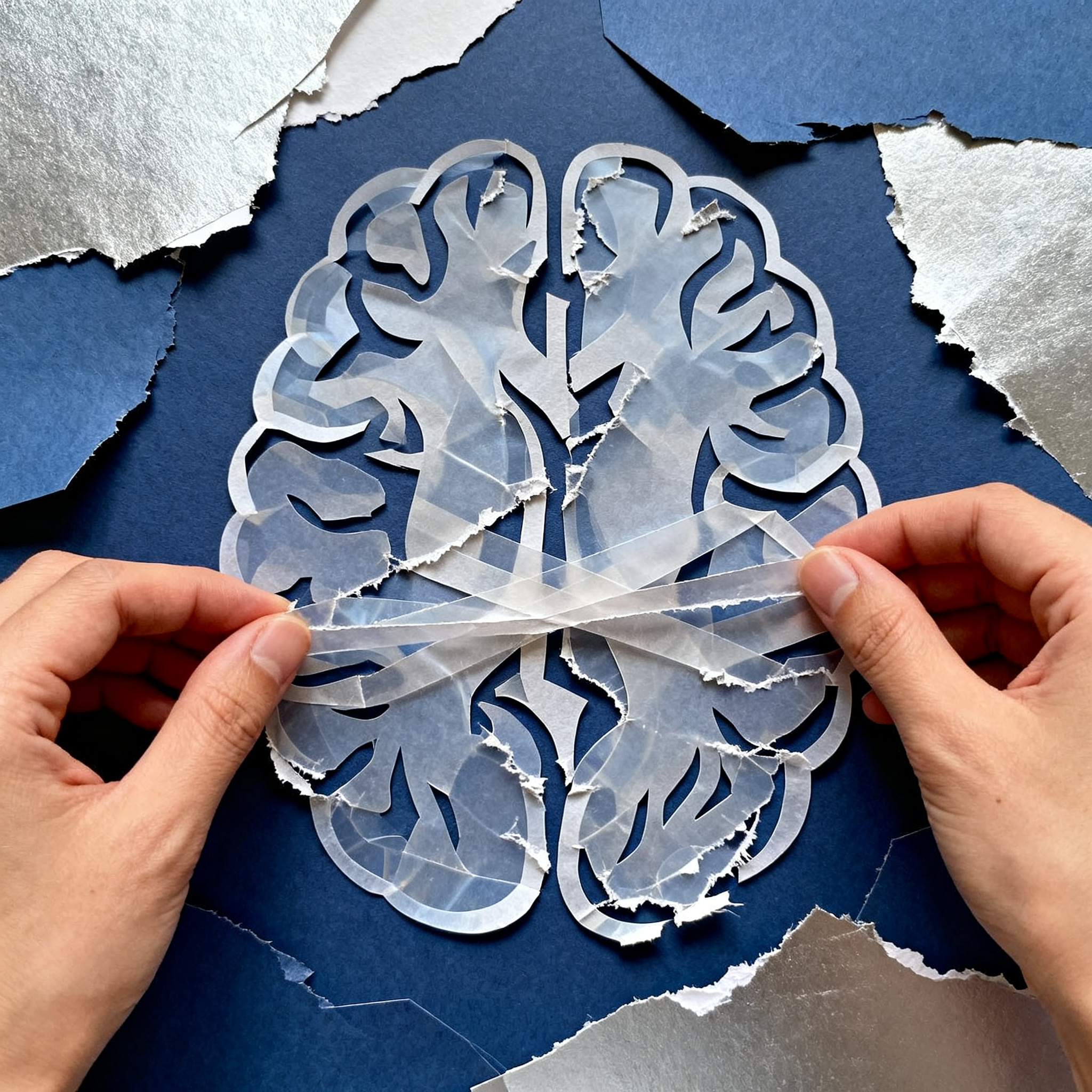
🌟 Your First Lucid Dream: What to Expect
Your first lucid dream will likely last only seconds before excitement wakes you up. This happens to almost everyone—recognizing you're dreaming triggers intense emotions that disrupt sleep. Don't get frustrated; brief first experiences are completely normal and actually indicate that your practice is working.
Initial lucidity often feels unstable and fleeting. You might realize you're dreaming, lose the awareness, then regain it moments later. The dream environment may shift dramatically or feel unusually vivid compared to regular dreams. Some people report that colors appear more saturated or that they can feel textures more intensely than in normal dreams.
Many beginners experience false awakenings after their first lucid dreams—you "wake up" in your bedroom, but you're actually still dreaming. This can be confusing and sometimes disappointing when you realize you missed an opportunity to explore lucidity. Always perform reality checks when you think you've awakened from a lucid dream.
🎮 Dream Stabilization and Control Techniques
Staying calm when you become lucid prevents immediate awakening from excitement. Take slow, deep breaths within the dream and remind yourself that you're safe and in control. Avoid immediately attempting dramatic changes like flying or teleporting—start with simple observations to maintain stability.
Physical stabilization techniques help maintain the dream state when it feels unstable. Try spinning your dream body, touching objects and focusing on their texture, or looking at your hands and observing details. These actions engage your sensory systems and anchor your consciousness in the dream environment. Verbal commands like "Increase clarity now!" can also stabilize fading dreams.
Begin dream control with small changes before attempting major manipulations. Try changing the color of an object, opening a door to reveal a new location, or summoning a simple item like a ball. Expect the dream to follow its own logic—instead of forcing changes, work with the dream's natural flow and suggest modifications rather than demanding them.
Ground yourself in the dream by engaging multiple senses. Touch walls, taste food, listen to sounds, and pay attention to how things feel. The more sensory detail you notice, the longer you can maintain lucidity. Some experienced lucid dreamers use mantras or visualization techniques to deepen their connection to the dream state.
🔧 Troubleshooting Common Challenges
False awakenings trick many beginners into thinking they've returned to waking life. You dream that you wake up in your bedroom, get out of bed, and start your day—but you're still asleep. Combat this by making reality checks automatic after any awakening. Look at your hands, read text, or check the time twice before accepting that you're truly awake.
Sleep paralysis occasionally occurs when attempting wake-back-to-bed techniques. You become conscious but can't move your body, sometimes accompanied by frightening hallucinations. Stay calm and focus on gentle breathing rather than struggling to move. Most episodes last only minutes and end naturally. If sleep paralysis becomes frequent, reduce WBTB practice frequency.
Inconsistent results frustrate many practitioners who achieve lucidity sporadically then go weeks without success. This pattern is completely normal—even experienced lucid dreamers have dry spells. Maintain consistent practice without obsessing over results. Sometimes taking a few days off from active techniques can reset your motivation and lead to spontaneous lucid dreams.
Poor dream recall sabotages lucid dreaming progress more than any other factor. If you consistently forget dreams, examine your sleep hygiene: avoid alcohol before bed, maintain regular sleep schedules, and ensure you're getting enough total sleep. Set multiple gentle alarms throughout your REM periods to catch dream fragments, and keep your journal within arm's reach.

🏥 Therapeutic Applications: Nightmares and Mental Health
Lucid dreaming therapy shows remarkable success for treating chronic nightmares, with clinical studies reporting 70-80% reduction in nightmare frequency after 2-4 weeks of training. Patients learn to recognize nightmare scenarios as dreams, then change the dream narrative or confront threatening figures from a position of conscious control.
Imagery Rehearsal Therapy combined with lucid dreaming training offers powerful treatment for PTSD-related nightmares. Patients first practice changing nightmare scenarios while awake, then learn to implement these changes within lucid dreams. This approach allows trauma survivors to safely process difficult emotions and rewrite traumatic dream content.
Confronting fears within lucid dreams provides unique exposure therapy opportunities. Social anxiety sufferers practice public speaking, people with phobias encounter feared objects or situations, and those with recurring nightmares can face dream threats knowing they're completely safe. The controlled environment allows gradual exposure without real-world consequences.
Professional guidance is recommended for therapeutic applications, especially for people with serious mental health conditions. While lucid dreaming is generally safe, individuals with psychosis, severe depression, or dissociative disorders should consult healthcare providers before beginning intensive practice. Therapists trained in lucid dreaming techniques can provide structured, safe approaches to therapeutic applications.
⚠️ Safety Considerations and Who Should Avoid Lucid Dreaming
Lucid dreaming is generally safe for healthy individuals when practiced responsibly. The techniques don't disrupt normal sleep architecture or cause long-term sleep problems when used appropriately. However, obsessive practice or excessive use of wake-back-to-bed methods can interfere with sleep quality and should be moderated.
People with psychosis spectrum disorders should consult mental health professionals before attempting lucid dreaming. The practice involves deliberately blurring the line between dream and reality, which could potentially exacerbate symptoms in vulnerable individuals. Those with severe depression or anxiety should also seek professional guidance for therapeutic applications.
Individuals with sleep disorders like sleep apnea, narcolepsy, or severe insomnia may find that lucid dreaming techniques worsen their conditions. Wake-back-to-bed methods can fragment already poor sleep, and reality checking might increase anxiety around sleep. If you have diagnosed sleep disorders, discuss lucid dreaming with your sleep specialist.
Pregnant women and people taking medications that affect sleep or neurotransmitter function should approach lucid dreaming cautiously. While not dangerous, hormonal changes and medication effects can interfere with practice success and sleep quality. Start with gentle techniques like dream journaling before attempting more intensive methods.
🛠️ Tools, Supplements, and Resources for Continued Learning
Dream journals remain the most important tool—use whatever format you prefer, from smartphone apps to traditional notebooks. Reality check apps can remind you to perform checks throughout the day. Sleep tracking devices help identify optimal REM timing for wake-back-to-bed attempts, though they're not essential for success.
Galantamine, an acetylcholine enhancer, shows research support for increasing lucid dream frequency when used occasionally. Studies suggest 4-8mg taken during WBTB wake periods can double lucid dream occurrence. However, use galantamine sparingly—no more than twice weekly—and consult healthcare providers if you take other medications or have health conditions.
Online communities like the LucidDreaming subreddit and specialized forums provide valuable experience sharing and motivation. Reading others' experiences helps normalize the learning process and offers practical tips. However, avoid communities that promote unsafe practices or unrealistic expectations about lucid dreaming abilities.
Quality books include "Exploring the World of Lucid Dreaming" by Stephen LaBerge and "Are You Dreaming?" by Daniel Love. Scientific journals like Consciousness and Cognition publish current research findings. Avoid sources that make exaggerated claims about spiritual or supernatural aspects of lucid dreaming—stick to evidence-based information for reliable guidance.
Don'ts ❌
Don't expect immediate results or daily lucid dreams. Most people need weeks of consistent practice before achieving regular lucidity. Don't practice wake-back-to-bed methods every night—this can disrupt your sleep quality and reduce overall dream recall.
Don't ignore your sleep hygiene while focusing on lucid dreaming techniques. Adequate sleep, regular schedules, and good bedroom environments matter more than any specific induction method. Don't use lucid dreaming to avoid dealing with waking life problems—the practice works best as a complement to, not replacement for, addressing real-world issues.
Don't attempt dangerous activities in lucid dreams thinking they'll improve your waking abilities. While some skill practice transfers to waking life, lucid dreams can't replace actual physical training or preparation. Don't become obsessed with achieving perfect dream control—enjoy the unique experiences that lucid dreaming offers naturally.
Key Takeaways ✨
Lucid dreaming is a learnable skill that most people can develop through consistent practice over 2-12 weeks. Focus on building strong dream recall through journaling before attempting induction techniques. Reality checks, MILD, and wake-back-to-bed methods form the foundation of effective practice.
Expect your first lucid dreams to be brief and unstable—this improves naturally with experience. Stay calm when you become lucid, use stabilization techniques, and start with simple dream control before attempting complex manipulations. Therapeutic applications show genuine promise for nightmare treatment and trauma processing.
Practice responsibly by maintaining good sleep hygiene and avoiding obsessive technique use. Most people can safely explore lucid dreaming, but those with certain mental health conditions should seek professional guidance. Remember that lucid dreaming enhances life experiences rather than replacing engagement with waking reality.