What does dreaming about People mean?
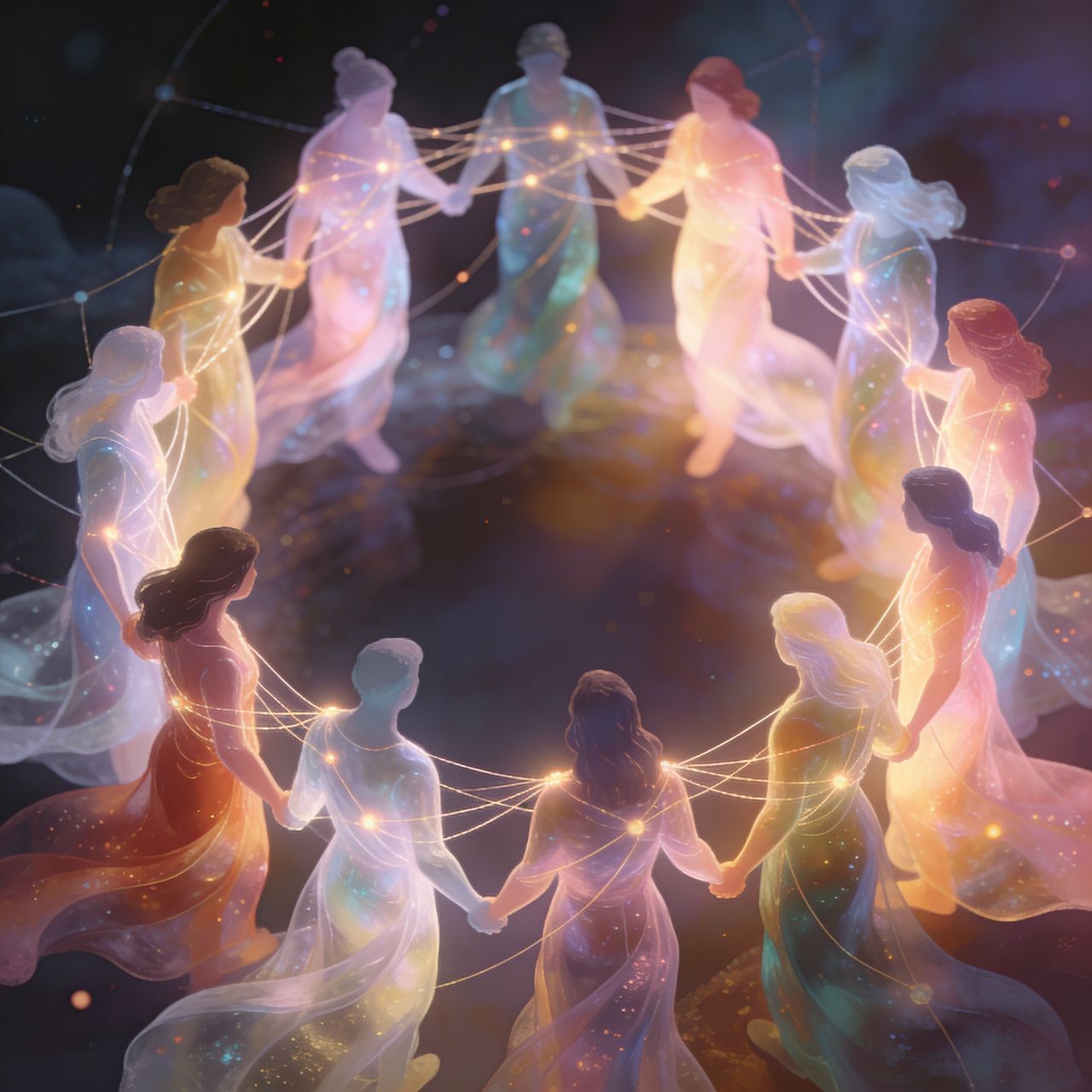
Human beings in general, representing social connections, relationships, and community.
Common scenarios
Encountering unfamiliar people might represent new aspects of yourself or potential relationships that are emerging in your waking life.
A crowd could symbolize feelings of anonymity, overwhelm from social demands, or the collective unconscious and shared human experiences.
Dreaming of known people often reflects your actual feelings about them or may project unresolved issues and emotional patterns onto them.
This scenario might indicate avoidance of a certain issue or aspect of yourself that feels threatening, urging you to confront it.
Common questions
Across cultures
In Western and Jungian psychology, people in dreams are often seen as projections of the dreamer's psyche. A stranger may represent the Shadow—the hidden or rejected aspects of the self—while a familiar figure can embody the Anima/Animus or a specific complex. This approach encourages personal reflection on what each person reveals about the dreamer's inner world.
In Eastern traditions, such as Chinese dream interpretation, people are sometimes viewed as omens or messengers from the spiritual realm. Dreaming of ancestors may indicate guidance or a need for familial respect, while meeting a sage could symbolize wisdom or a call to cultivate virtue. The focus is often on the dream's impact on waking life and harmony with the universe.
Modern cognitive psychology interprets people in dreams as the brain's way of rehearsing social scenarios and processing emotional memories. Studies suggest that dream characters are often based on real individuals, but their actions can be neurologically linked to memory consolidation and threat simulation. This perspective sees people as functional elements in the mind's nightly maintenance, not necessarily symbolic.
Often appears alongside



Did you dream about People?
Get your free AI interpretation in 30 seconds — no account needed.
Dreams featuring People

These interpretations are psychological hypotheses for self-reflection, not predictions or medical advice. Dreams are highly personal — use these insights as a starting point for understanding your own emotional patterns and inner experiences.