Naked in Public Dreams: Why You Dream About Being Naked
🌙 The Universal Naked Dream Experience
You're standing in a crowded room, and suddenly you realize you're completely naked. The panic hits instantly—that crushing embarrassment as you desperately try to cover yourself while everyone stares. Sound familiar? You're not alone in this nightmare.
Over 60% of adults report having naked-in-public dreams at least once in their lifetime, making it one of the most common anxiety dreams across all demographics. These dreams transcend cultural boundaries, appearing in dream journals from Tokyo to Toronto, suggesting they tap into something fundamentally human about our fears of exposure and judgment.
The experience follows a predictable pattern: intense embarrassment, frantic attempts to hide, and that sinking feeling of being completely vulnerable. These dreams typically spike during periods of high stress, major life transitions, or when you're facing situations where you feel exposed or unprepared. Unlike other anxiety dreams that fade quickly, naked dreams often leave you feeling unsettled long after waking.
🎭 Core Meaning: Vulnerability and Exposure in Dreams
Strip away the literal imagery, and naked dreams reveal their true purpose: they're your psyche's way of processing fears about being seen for who you really are. The nakedness isn't about your physical body—it's about the terror of having your authentic self exposed to potential judgment and rejection.
These dreams highlight the exhausting gap between your carefully crafted public persona and your private, vulnerable self. Maybe you're the confident team leader at work, but inside you feel like you're winging it. Perhaps you present as having it all together on social media while privately struggling with doubt. The naked dream forces you to confront this disconnect.
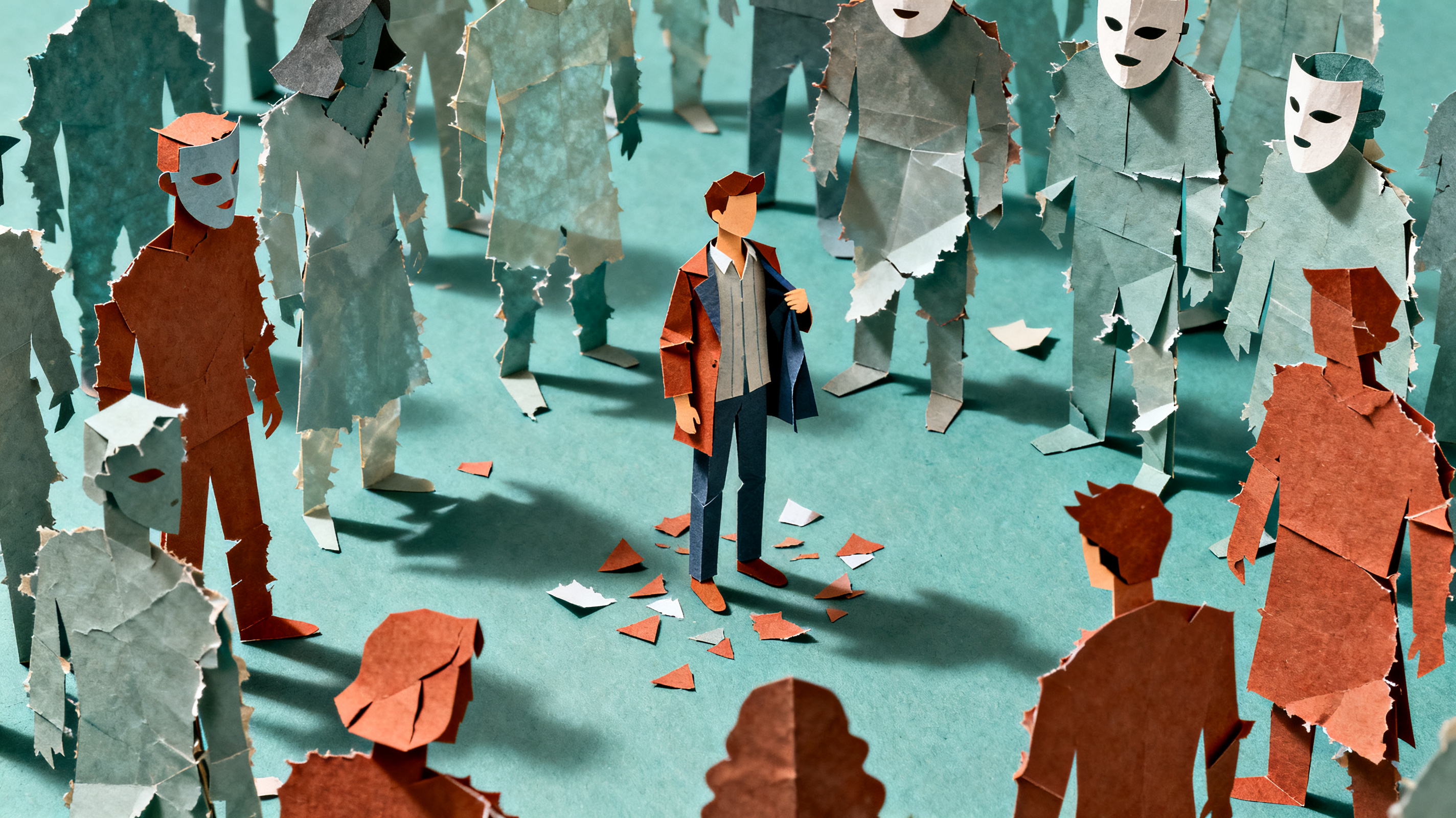
The fear of exposure in these dreams directly mirrors imposter syndrome and social anxiety in waking life. When you dream of being naked in front of colleagues, it's often reflecting deeper worries about being "found out" as incompetent or unworthy. Your subconscious is processing the constant energy it takes to maintain facades and the terror of what might happen if those masks slip.
🧠 Psychological Frameworks: From Freud to Modern Anxiety Theory
Freud would have had a field day with your naked dreams, interpreting them as repressed sexual desires breaking through your unconscious defenses. But modern psychology has moved far beyond this reductive view, recognizing these dreams as complex anxiety responses rather than sexual wish fulfillment.
Contemporary dream analysis focuses on social anxiety and vulnerability patterns rather than libido. Cognitive behavioral therapists see naked dreams as your brain's way of rehearsing and processing real-world stress about performance, acceptance, and authenticity. The dream becomes a safe space to experience and work through fears of social rejection without real consequences.
Jungian psychology offers another lens: nakedness represents shedding false personas and confronting your shadow self. From this perspective, the dream might be encouraging you to embrace authenticity rather than warning against exposure. The discomfort you feel isn't necessarily negative—it might be the growing pains of becoming more genuine in your relationships and self-expression.
🌍 Why This Dream is Universal Across Cultures
The universality of naked dreams points to something deeper than individual psychology—it taps into fundamental human concerns about belonging and social acceptance. Every human society has developed norms around clothing and modesty, making nakedness a universal symbol of vulnerability and social transgression.
This consistency across cultures suggests evolutionary roots. Our ancestors who cared deeply about group acceptance and avoiding social rejection were more likely to survive and reproduce. The naked dream might be an ancient anxiety response, your brain's way of ensuring you maintain the social bonds essential for survival.
However, cultural variations do exist in interpretation. Western cultures often emphasize shame and embarrassment, while some Eastern traditions view dream nakedness as spiritual purification or returning to a natural state. Indigenous cultures might interpret it as shedding artificial social constructs. The dream occurs everywhere, but its meaning gets filtered through local values and beliefs.
🔍 Key Interpretation Factors: Context, Observers, and Reactions
The devil is in the details when interpreting your naked dreams. Where you're naked matters enormously—being exposed in a classroom carries different meaning than nakedness in your workplace or on a public street. Each setting points to specific areas of vulnerability in your waking life.
Pay attention to who's present in your dream. Naked in front of authority figures suggests fears about professional competence or academic performance. Exposure in front of peers might reflect social anxiety or fear of not fitting in. Being naked around family members could indicate concerns about disappointing loved ones or not meeting their expectations.
The observers' reactions provide crucial interpretation clues. If people stare and point, your anxiety about judgment is front and center. But if they seem indifferent or don't even notice your nakedness, your subconscious might be telling you that your fears of social scrutiny are overblown. Sometimes the most revealing aspect is realizing that others aren't paying as much attention to your flaws as you imagine.
📚 Common Naked Dream Scenarios and Their Meanings
Naked at school dreams are classics, often reflecting fears of being unprepared or intellectually exposed. These dreams frequently occur before exams, presentations, or when starting new educational programs. The school setting triggers memories of being tested and potentially found lacking, with nakedness amplifying feelings of vulnerability and unpreparedness.
Workplace nakedness reveals professional insecurities and imposter syndrome. You might dream of presenting to the board while naked, symbolizing fears that your professional competence is just a facade waiting to be exposed. These dreams often spike during performance reviews, job interviews, or when taking on new responsibilities that feel beyond your abilities.
Partially clothed dreams offer more specific insights—the body parts that remain exposed often correlate with particular vulnerabilities. Missing pants might relate to sexual or creative expression, while a missing shirt could represent emotional exposure or concerns about your professional image. The specific clothing gaps reveal which aspects of yourself feel most at risk of judgment.
👥 When Others Don't Notice: Your Fears Are Exaggerated
One of the most telling variations is the naked dream where nobody else seems to notice or care about your exposure. You're frantically trying to cover yourself while everyone around you goes about their business as if nothing unusual is happening. This scenario carries a powerful message about the gap between your internal anxiety and external reality.
Dreams where observers remain indifferent suggest your fears of judgment far exceed the actual social risk you face. Your anxiety is self-generated rather than based on real evidence that others are scrutinizing your every move. This type of dream often appears when you're beginning to build confidence or develop greater self-acceptance.
The indifferent observers serve as your subconscious challenging catastrophic thinking patterns. If people in your dream don't react to your worst fear coming true, maybe the consequences you imagine in waking life are also exaggerated. These dreams can be surprisingly liberating once you recognize their message about the limits of others' attention and judgment.
🎯 Life Events That Trigger Naked-in-Public Dreams
Starting new jobs ranks among the top triggers for naked dreams, particularly roles that feel like a stretch or involve high visibility. The dream reflects anxiety about whether you can live up to expectations and fears that colleagues will discover you're not as qualified as your resume suggests.
Public speaking engagements and presentations are notorious dream triggers. The literal exposure of standing before an audience gets transformed into the metaphorical exposure of being naked. Your brain is processing fears about being judged, making mistakes, or revealing inadequacy in front of people whose opinions matter to you.
Beginning new romantic relationships can also spark these dreams, especially when you're wrestling with how much of your authentic self to reveal. The nakedness represents the vulnerability of being truly known by someone, along with fears that they might reject you once they see past your initial presentation. Major life transitions—moving, divorce, career changes—all create conditions where naked dreams flourish.
🌏 Cultural Variations and Interpretations
While the dream itself appears universally, cultural interpretations vary dramatically. Western psychology typically frames nakedness in dreams through lenses of shame, embarrassment, and social anxiety. The focus remains on protecting self-image and avoiding judgment from others.
Some Eastern spiritual traditions offer radically different interpretations, viewing dream nakedness as spiritual purification or liberation from material concerns. In these frameworks, the dream might represent shedding ego attachments and moving toward enlightenment rather than expressing social anxiety.
Indigenous cultures often interpret nakedness as returning to natural authenticity, stripping away artificial social constructs to reveal true essence. Religious contexts can frame it as moral vulnerability requiring spiritual protection, or alternatively as cleansing and rebirth. These varied interpretations remind us that while the dream experience is universal, its meaning gets shaped by cultural values and spiritual beliefs.

❌ Are Naked Dreams Sexual? Debunking Common Myths
Despite persistent misconceptions, naked dreams are rarely about sexual desire. The primary emotion in these dreams is embarrassment and panic, not arousal or sexual excitement. If your dream involved sexual feelings, you'd probably remember that aspect clearly—but most people report only anxiety and shame.
The focus in naked dreams centers on social exposure rather than physical attraction. You're not concerned about looking sexually appealing; you're worried about being judged, ridiculed, or rejected. The nakedness serves as a metaphor for vulnerability rather than an expression of libido or romantic desire.
Sexual interpretation of naked dreams often reflects projection rather than dream reality. Popular culture and outdated psychological theories have created expectations that dreams involving nakedness must be sexual, but this assumption misses the deeper psychological function these dreams serve in processing anxiety and social fears.
✨ When Comfort with Nakedness Appears: A Positive Sign
Occasionally, you might dream of being naked without feeling embarrassed or trying to cover up. This comfortable nakedness often indicates growing self-acceptance and confidence in your authentic self. Instead of panic, you feel natural and unashamed—a significant shift from typical naked dream experiences.
These positive naked dreams suggest successful integration of your public and private personas. You're becoming more comfortable with who you truly are, rather than exhausting yourself maintaining facades. The dream reflects reduced anxiety about others' judgments and increased willingness to be genuine in relationships.
Comfortable nakedness dreams frequently appear during periods of personal growth, therapy breakthroughs, or major life transitions where you're choosing authenticity over approval-seeking. They can signal readiness to take emotional risks, express yourself more honestly, or pursue goals that align with your values rather than others' expectations.
🛠️ Practical Action Steps for Understanding Your Dream
Start by identifying current life situations where you feel exposed or vulnerable. Are you starting a new job, facing a presentation, or navigating a new relationship? Connect your dream timing to real-world stressors that might be triggering anxiety about being "found out" or judged.
Practice small acts of authenticity in low-stakes social situations. Share a genuine opinion instead of agreeing to fit in, admit when you don't know something rather than pretending expertise, or express a preference that differs from the group. These micro-practices build tolerance for the vulnerability that naked dreams represent.
Challenge catastrophic thinking about others' judgments by reality-testing your assumptions. When you worry about being exposed as incompetent or inadequate, ask yourself: What evidence supports this fear? How much attention do others actually pay to your mistakes? Most people are too focused on their own concerns to scrutinize your performance as intensely as you imagine.
✨ Itogi
Naked dreams aren't about sexuality or exhibitionism—they're your psyche's way of processing deep fears about authenticity and social acceptance. These universal dreams reveal the exhausting gap between who you present to the world and who you truly are inside.
The key insight lies not in the nakedness itself, but in your reaction to it. Dreams where you panic about exposure suggest anxiety about being truly known, while comfortable nakedness indicates growing self-acceptance. Pay attention to the setting, observers, and your emotional response—they reveal which areas of life trigger your deepest vulnerabilities.
Rather than dismissing these dreams as meaningless anxiety, use them as invitations to examine where you're hiding behind facades and what you fear most about being authentic. The goal isn't to eliminate the dreams, but to reduce the underlying anxiety driving them through greater self-acceptance and realistic assessment of social risks.