Sleep Paralysis: Why It Happens, What You Feel, and How to Cope
You wake up but can't move. Your eyes are open, you're aware of your surroundings, but your body feels like it's made of concrete. Sometimes there's a dark figure in the corner of your room, or you hear footsteps approaching your bed. This isn't a nightmare — it's sleep paralysis, and it's happening to millions of people worldwide.
🧠 What Sleep Paralysis Is: The Science Behind Temporary Paralysis
Sleep paralysis occurs when your consciousness returns before your body's natural REM sleep muscle paralysis has ended. During normal REM sleep, your brain essentially disconnects from your voluntary muscles to prevent you from acting out your dreams. Sometimes this protective mechanism doesn't turn off properly when you wake up, creating a bizarre hybrid state between sleeping and waking.
Your brain is fully alert and aware, but your body remains locked in the paralyzed state that normally protects you during dreams. This mismatch between mental awareness and physical control creates the terrifying sensation of being trapped in your own body. The experience typically lasts anywhere from a few seconds to several minutes, though it often feels much longer to the person experiencing it.
Despite how frightening it feels, sleep paralysis is completely harmless from a physical standpoint. No direct physical damage occurs during episodes, and the paralysis will always end naturally as your brain's sleep-wake systems realign.
📊 How Common Sleep Paralysis Really Is: Statistics and Demographics
Sleep paralysis affects approximately 8% of the general population, making it more common than many people realize. Among students, the rate jumps dramatically to 28%, likely due to irregular sleep schedules, high stress levels, and chronic sleep deprivation common in academic environments. People with psychiatric conditions experience even higher rates, with studies showing prevalence around 32%.
First episodes often occur during the teenage years, coinciding with natural changes in sleep patterns and increased academic pressure. The condition affects all genders and ethnicities, though some research suggests slightly higher rates among certain populations. Age plays a role too — episodes tend to peak in the twenties and thirties, then gradually decrease with age.
These statistics reveal that sleep paralysis is far from rare. If you've experienced it, you're joining millions of others who've had similar episodes. Understanding how common it is can help reduce the isolation and fear that often accompany these experiences.
👁️ The Full Spectrum of Sleep Paralysis Experiences
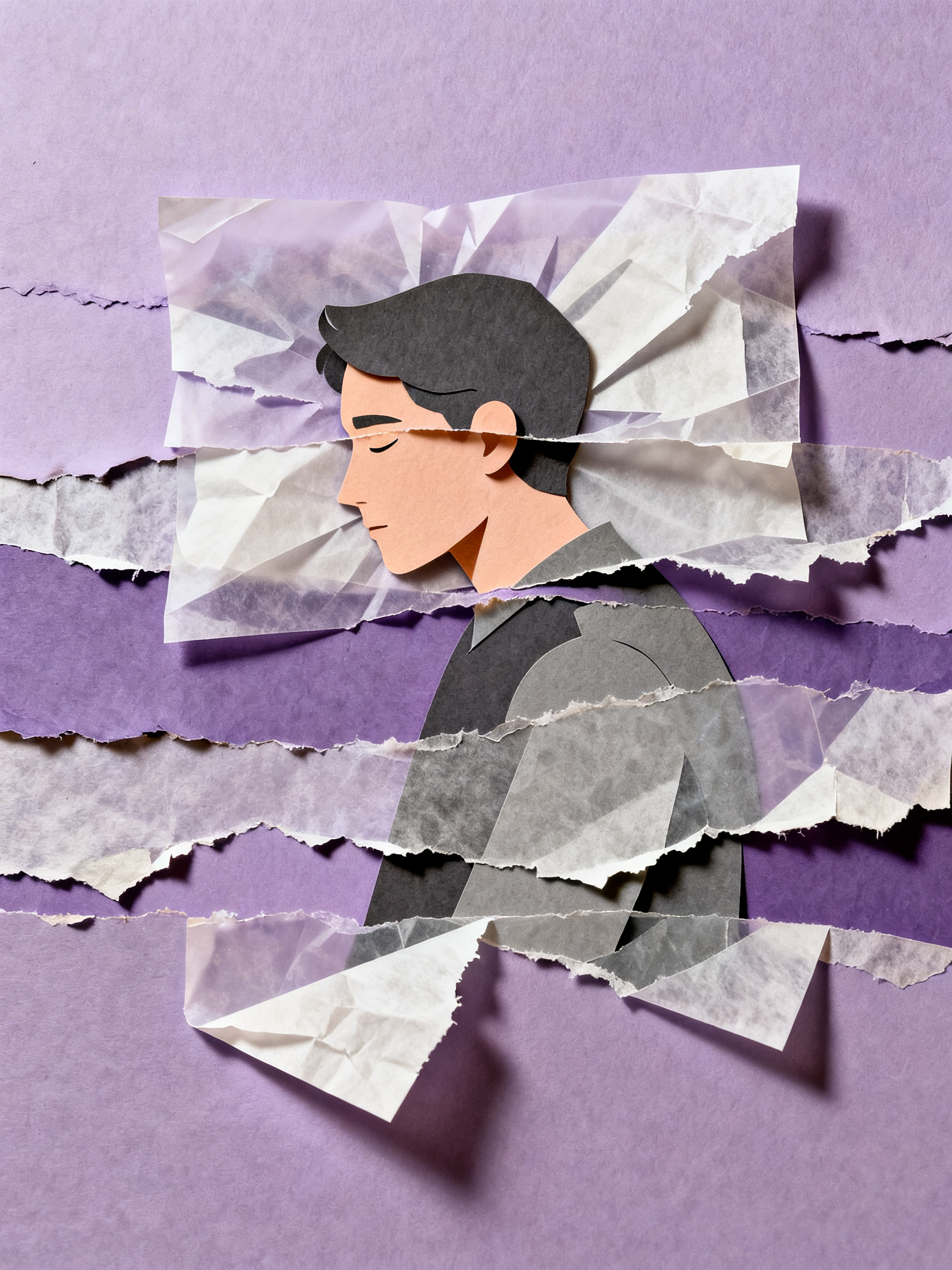
Sleep paralysis episodes typically involve three types of hallucinations that feel completely real in the moment. Visual hallucinations are the most commonly reported, often featuring shadowy figures, intruders in the room, or dark shapes moving at the periphery of vision. These figures frequently appear threatening or malevolent, contributing to the terror of the experience.
Auditory hallucinations accompany many episodes, ranging from footsteps and door creaking to voices, buzzing sounds, or mechanical noises. Some people report hearing their name being called or conversations happening nearby. Tactile hallucinations involve physical sensations like feeling touched, grabbed, or having pressure applied to the chest or throat.
The combination of these sensory experiences while being unable to move creates an intensely realistic scenario that the brain interprets as genuine danger. People often describe feeling an evil presence in the room or being certain that an intruder has entered their home. The vividness of these hallucinations makes them incredibly convincing, even to people who intellectually understand what's happening.
🔬 Why Hallucinations Occur: The Hybrid Brain State Explained
The vivid hallucinations during sleep paralysis result from REM sleep dream imagery bleeding into waking consciousness. During normal REM sleep, your brain generates complex visual and auditory experiences that we call dreams. When sleep paralysis occurs, these dream-generating systems remain active while your conscious awareness returns, creating a unique neurological state.
Your amygdala, the brain's threat-detection center, becomes hyperactive during episodes. It interprets the paralysis as a sign of external danger, triggering intense fear responses and generating threatening imagery. This evolutionary mechanism once helped our ancestors detect real predators, but during sleep paralysis, it creates imaginary threats that feel completely real.
The brain essentially tries to make sense of the paralysis by creating an external explanation for why you can't move. Since the threat-detection systems are active, the explanations tend toward danger — hence the common experience of sensing an intruder or malevolent presence. This neurological explanation helps demystify why the hallucinations are so consistently frightening across different people and cultures.
⚠️ Risk Factors and Triggers: From Sleep Deprivation to Medical Conditions
Sleep deprivation stands out as the strongest predictor of sleep paralysis episodes. People who regularly get less than six hours of sleep per night experience significantly higher rates of episodes. Shift workers, new parents, and students pulling all-nighters are particularly vulnerable due to their disrupted sleep patterns.
Irregular sleep schedules disrupt your natural circadian rhythms and REM sleep cycles, increasing the likelihood of the timing mismatch that causes sleep paralysis. High stress levels and anxiety disorders also elevate risk, possibly through their effects on sleep quality and REM sleep intensity. Some people notice episodes increase during particularly stressful periods in their lives.
Certain medical conditions carry higher risk, including narcolepsy, sleep apnea, bipolar disorder, and panic disorder. Mental health medications, particularly antidepressants, can sometimes trigger episodes by altering REM sleep patterns. Family history also plays a role, suggesting genetic factors influence susceptibility to sleep paralysis.
🧬 The Biology of Paralysis: Understanding REM Atonia
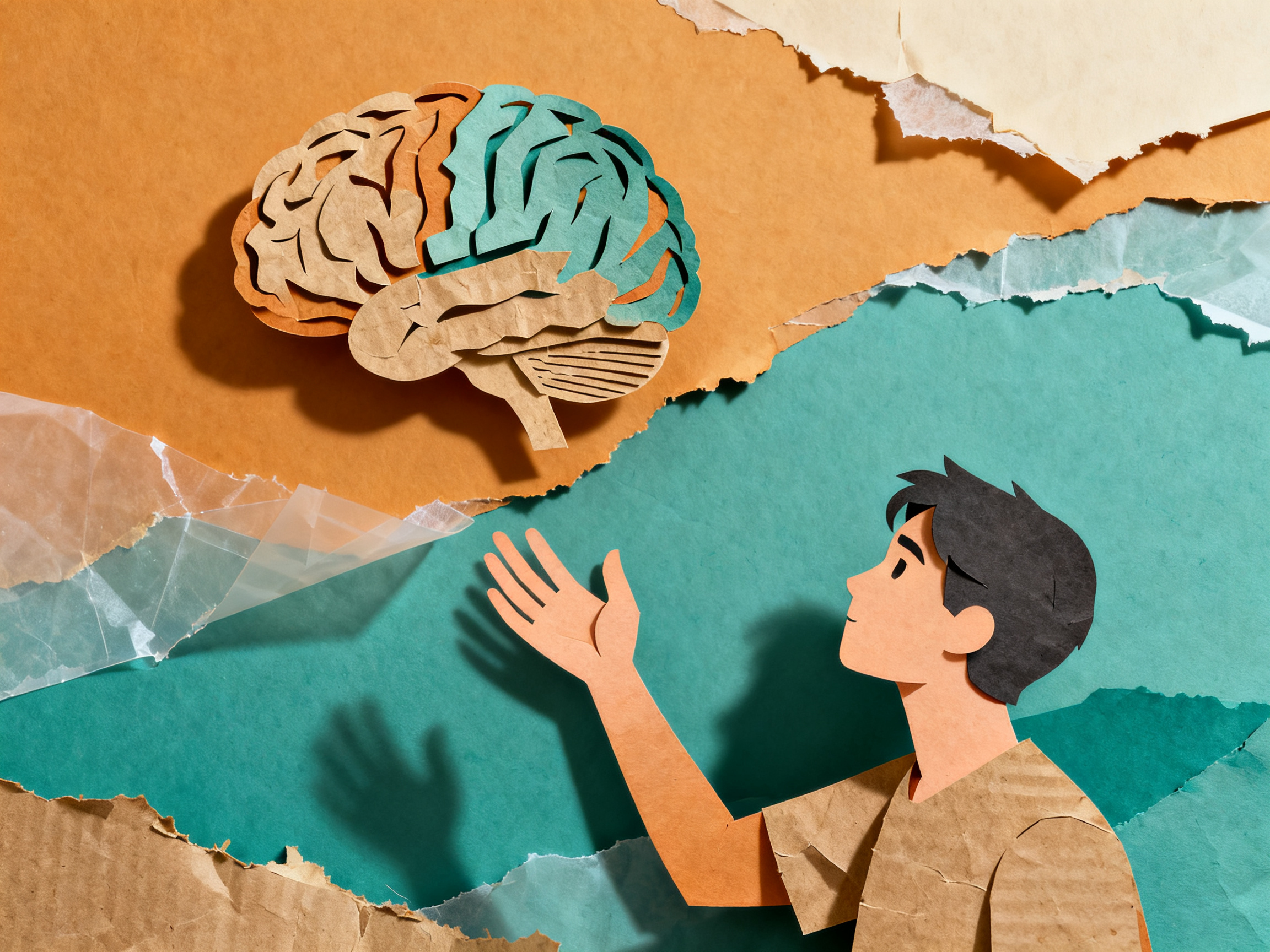
During REM sleep, your brain naturally paralyzes most voluntary muscles through a process called REM atonia. This paralysis serves a crucial protective function — without it, you'd physically act out your dreams, potentially injuring yourself or others. The brainstem releases neurotransmitters like glycine and GABA that effectively disconnect your motor cortex from your muscles.
This natural paralysis affects nearly all voluntary muscles except the diaphragm (so you can breathe) and the muscles controlling eye movement. That's why people experiencing sleep paralysis can still breathe normally and move their eyes, even though the rest of their body feels completely immobilized.
Sleep paralysis occurs when there's a timing mismatch between your consciousness returning and the paralysis ending. Your awareness comes back online while the neurotransmitters causing muscle paralysis are still active. Usually, this transition happens seamlessly, but various factors can disrupt the timing and create the temporary mismatch we experience as sleep paralysis.
🏥 Safety and Medical Concerns: When to Seek Professional Help
Sleep paralysis itself poses no direct physical danger. You cannot suffocate, have a heart attack, or die from an episode, despite how terrifying it feels in the moment. The paralysis specifically spares your breathing muscles, so respiratory function continues normally throughout the episode. However, the psychological distress can be significant, especially for people experiencing frequent episodes.
You should consider seeking medical evaluation if episodes occur more than once per month, if they're causing significant anxiety or sleep avoidance, or if you're experiencing excessive daytime sleepiness. These could indicate an underlying sleep disorder like narcolepsy or sleep apnea that requires treatment. A healthcare provider can conduct a proper sleep study and rule out other conditions.
Mental health support can be valuable for people struggling with the psychological impact of frequent episodes. Cognitive behavioral therapy has shown effectiveness in reducing anxiety around sleep paralysis and helping people develop better coping strategies. Some people benefit from joining support groups where they can connect with others who understand the experience.
✋ Techniques for Ending Episodes: Practical Strategies That Work
When you realize you're experiencing sleep paralysis, focus on making small movements rather than trying to move your entire body. Try wiggling your fingers or toes, moving your facial muscles, or focusing on blinking rapidly. These smaller muscle groups are often less affected by the paralysis and can help break the episode more quickly.
Controlled breathing techniques can help you stay calm during episodes. Focus on taking slow, deliberate breaths and reminding yourself that the experience is temporary and harmless. Some people find that trying to make noise — humming, groaning, or attempting to call out — can help end the paralysis faster.
Mental techniques work well too. Remind yourself that what you're experiencing is sleep paralysis, not a real threat. Try to stay calm and wait for the episode to pass naturally. Fighting against the paralysis or panicking typically prolongs the experience and increases distress. Accepting the temporary nature of the episode often leads to quicker resolution.
🛏️ Prevention Strategies: Sleep Hygiene and Lifestyle Modifications
Maintaining a consistent sleep schedule with 7-9 hours of sleep per night dramatically reduces episode frequency. Go to bed and wake up at the same time every day, even on weekends. This helps stabilize your circadian rhythms and reduces the sleep disruption that often triggers sleep paralysis.
Create an optimal sleep environment by keeping your bedroom dark, quiet, and cool. Remove electronic devices at least an hour before bedtime, as blue light can interfere with natural sleep cycles. Establish a relaxing bedtime routine that signals to your body that it's time to wind down.
Stress management plays a crucial role in prevention. Regular exercise, meditation, deep breathing exercises, or other relaxation techniques can help reduce overall stress levels. Some people find that avoiding sleeping on their back reduces episode frequency, as this position may increase the likelihood of sleep disruption. If you notice position-related patterns, try sleeping on your side instead.

🌍 Cultural and Historical Perspectives: Global Interpretations
Sleep paralysis appears in virtually every culture worldwide, often with remarkably similar descriptions despite vastly different contexts. The English-speaking world knows it as the "Old Hag," describing the sensation of a witch sitting on the chest. In Japan, it's called "kanashibari," meaning "bound by metal." Turkish culture refers to it as "karabasan," or "the dark presser."
These cultural interpretations reflect the universal human experience of this phenomenon long before scientific understanding emerged. Many cultures attributed episodes to supernatural causes — demons, spirits, witches, or otherworldly beings. While we now understand the neurological basis, these historical perspectives show how consistently terrifying and mysterious the experience has been across human societies.
The cultural context can significantly influence how people interpret and respond to their episodes. Those familiar with the scientific explanation often experience less fear and distress compared to people who interpret episodes through supernatural frameworks. Education about the biological nature of sleep paralysis serves as a powerful tool for reducing anxiety and fear.
💪 Living with Frequent Episodes: Long-term Management
For people experiencing regular sleep paralysis, developing a comprehensive management strategy becomes essential. Keep a sleep diary to track episodes, noting potential triggers like stress levels, sleep duration, sleep position, and any substances consumed. This data helps identify personal patterns and modifiable risk factors.
Develop personalized coping strategies that work for your specific situation. This might include specific breathing techniques, mental mantras to repeat during episodes, or environmental modifications to your bedroom. Building a support system of family members or friends who understand the condition can provide emotional support and practical help.
Consider professional treatment options if episodes significantly impact your quality of life. Cognitive behavioral therapy can help reduce anticipatory anxiety about sleep and develop better coping mechanisms. For underlying conditions like narcolepsy or severe depression, medication may be appropriate. Some antidepressants can reduce REM sleep intensity and decrease episode frequency.
❌ Don'ts: Common Mistakes to Avoid
Don't panic or fight against the paralysis — this typically prolongs episodes and increases distress. Avoid sleeping on your back if you notice this position triggers more frequent episodes. Don't consume caffeine, alcohol, or large meals close to bedtime, as these can disrupt sleep quality and increase risk.
Don't ignore frequent episodes or assume they'll resolve on their own. While occasional sleep paralysis is normal, regular occurrences may indicate underlying sleep disorders that benefit from professional treatment. Avoid irregular sleep schedules, all-nighters, or chronic sleep deprivation, which are major triggers for episodes.
Don't let fear of sleep paralysis create anxiety around bedtime or sleep avoidance. This creates a cycle where poor sleep increases episode risk, which increases anxiety, which further disrupts sleep. Instead, focus on good sleep hygiene and remember that episodes are harmless, even though they feel frightening.
Key Takeaways ✨
Sleep paralysis results from a timing mismatch between consciousness and the natural muscle paralysis that occurs during REM sleep. While the experience can be terrifying, it poses no physical danger and affects approximately 8% of the population. The vivid hallucinations occur because dream imagery bleeds into waking consciousness while the body remains paralyzed.
Prevention focuses on maintaining good sleep hygiene, getting adequate sleep, and managing stress levels. When episodes occur, focus on small movements like wiggling fingers rather than fighting the paralysis. Understanding the scientific basis of sleep paralysis significantly reduces fear and helps people cope more effectively.
Frequent episodes warrant medical evaluation to rule out underlying sleep disorders, but occasional sleep paralysis is normal and harmless. Education remains the most powerful tool for reducing anxiety around this mysterious but ultimately benign phenomenon that has puzzled humans across cultures and throughout history.