Why We Dream: Major Theories from Freud to Modern Neuroscience
You lie in bed, eyes closed, experiencing vivid adventures, impossible scenarios, and conversations with people from your past. Then you wake up, and within minutes, these elaborate mental movies begin to fade like morning mist. Dreams happen to everyone, yet they remain one of science's most puzzling phenomena.
Humans spend roughly six years of their lives dreaming. Every night, your brain constructs complex narratives featuring familiar faces, forgotten memories, and scenarios that defy physics. Despite 125 years of scientific investigation, no single theory fully explains why this happens. What we do know is that dreams occur during both REM and non-REM sleep phases, involve specific neural networks, and appear to serve multiple functions simultaneously.
🌙 The Eternal Question: What We Know and Don't Know About Dreams
Dreams are universal. Every culture throughout history has developed explanations for these nightly mental journeys. Ancient Egyptians believed dreams carried messages from gods. Modern neuroscientists map the brain circuits that generate them. Yet the fundamental question persists: why do we dream at all?
Recent sleep studies show dreams aren't random mental noise. They follow patterns, incorporate recent experiences, and correlate with emotional states. Brain imaging reveals that during REM sleep, your visual cortex fires almost as intensely as when you're awake, while your prefrontal cortex goes quiet. This creates the perfect conditions for vivid imagery combined with poor logical reasoning.
The current scientific consensus suggests dreams likely serve multiple purposes rather than having one primary function. Memory consolidation, emotional processing, creative problem-solving, and threat simulation may all happen simultaneously during your nightly dream sessions. This complexity explains why pinning down a single "purpose" for dreams has proven so elusive.
🏛️ Ancient Wisdom: From Divine Messages to Internal Processes
Ancient Mesopotamians and Egyptians treated dreams as direct communications from gods or glimpses of future events. Professional dream interpreters held prestigious positions in royal courts, translating symbolic dream content into practical guidance for rulers. The Epic of Gilgamesh, written around 2100 BCE, features multiple prophetic dreams that drive the narrative forward.
Aristotle broke from this supernatural tradition around 350 BCE, proposing that dreams arose from internal sensory processes rather than external divine influence. He observed that dreams often incorporated recent experiences and suggested they resulted from lingering sensory impressions that surfaced during sleep. This naturalistic approach laid groundwork for modern psychological theories.
These ancient perspectives shaped how Western civilization approached dreams for millennia. The tension between viewing dreams as meaningful messages versus random brain activity continues to influence contemporary research. While we've moved beyond divine interpretation, the question of whether dreams contain important information about our psychological state remains hotly debated.
🧠 Freud's Revolution: Dreams as the Royal Road to the Unconscious
Sigmund Freud's 1900 masterwork "The Interpretation of Dreams" revolutionized Western thinking about sleep and consciousness. Freud argued that dreams represent wish fulfillment, but in disguised form to protect the dreamer from disturbing thoughts. According to his theory, your unconscious mind transforms forbidden desires into symbolic imagery that bypasses conscious censorship.
Freud distinguished between manifest content (what you actually remember from the dream) and latent content (the hidden psychological meaning). A dream about riding a train might represent sexual desire, while dreaming of your childhood home could symbolize a wish to return to simpler times. Freudian analysis focused heavily on sexual symbolism, childhood experiences, and repressed memories.
Modern neuroscience has largely refuted Freud's specific claims about dream mechanisms and universal symbols. Brain imaging shows no evidence for an unconscious "censor" that disguises dream content. However, Freud's emphasis on dreams as psychologically meaningful experiences continues to influence therapeutic approaches and popular culture's understanding of dreams.

🎭 Jung's Alternative: Collective Unconscious and Compensatory Dreams
Carl Jung, initially Freud's protégé, developed a radically different theory of dreams. Instead of viewing dreams as disguised wishes, Jung proposed they serve a compensatory function, balancing conscious attitudes and providing psychological equilibrium. If you're overly rational during waking hours, your dreams might feature emotional or intuitive content.
Jung's most influential contribution was the concept of the collective unconscious—a shared repository of human experiences that manifests in dreams through universal symbols called archetypes. The wise old man, the shadow, the anima/animus, and the hero's journey appear across cultures and historical periods. These archetypal patterns supposedly reflect humanity's common psychological inheritance.
Jungian dream analysis focuses on personal growth and individuation rather than uncovering repressed sexuality. A Jungian therapist might explore how dream symbols relate to your current life challenges and developmental needs. While lacking empirical support, Jung's approach influenced modern therapeutic dream work and remains popular among practitioners who emphasize dreams' potential for psychological insight.
🔬 The Biological Breakthrough: REM Sleep Discovery and Its Implications
The 1953 discovery of REM (Rapid Eye Movement) sleep by Eugene Aserinsky and Nathaniel Kleitman provided the first biological foundation for understanding dreams. They observed that during certain sleep phases, people's eyes moved rapidly beneath closed lids while their brain activity resembled waking patterns. When awakened during REM periods, subjects reported vivid dreams 80% of the time.
This breakthrough revealed that dreaming correlates with specific, measurable brain states. REM sleep occurs in cycles throughout the night, with episodes becoming longer and more frequent toward morning. Brain imaging later showed that during REM sleep, the visual cortex, limbic system, and associative areas become highly active while the prefrontal cortex remains relatively quiet.
The biological approach shifted focus from dream interpretation to dream mechanisms. Instead of asking what dreams mean, researchers began investigating how dreams are generated, which brain circuits are involved, and what functions they might serve. This empirical foundation enabled testable hypotheses about dream function and established dreams as natural brain processes rather than mystical phenomena.
⚡ Challenging Freud: Activation-Synthesis and Random Neural Firing
In 1977, Harvard psychiatrists Allan Hobson and Robert McCarley proposed the Activation-Synthesis Hypothesis, directly challenging Freudian dream theory. They argued that dreams result from the brain's attempt to make sense of random neural firing from the brainstem during REM sleep. According to this model, the pons (a brainstem structure) sends chaotic signals to higher brain areas, which then create stories to explain these random inputs.
This theory explained many puzzling aspects of dreams: their bizarre content, impossible scenarios, and frequent shifts in time and location. When your brain receives random signals suggesting movement, flying, or falling, it constructs a narrative to make sense of these inputs. The resulting dreams feel meaningful because your brain is designed to find patterns and create coherent stories, even from nonsensical data.
The Activation-Synthesis model suggested that dream content has no inherent psychological meaning—it's simply your brain doing its best with random noise. This biological explanation challenged decades of psychoanalytic dream interpretation. However, later research showed that dream content isn't entirely random; it incorporates recent experiences, emotional concerns, and personal memories, leading to modified versions of the theory.
📚 Memory Consolidation: Dreams as Overnight Learning Enhancement
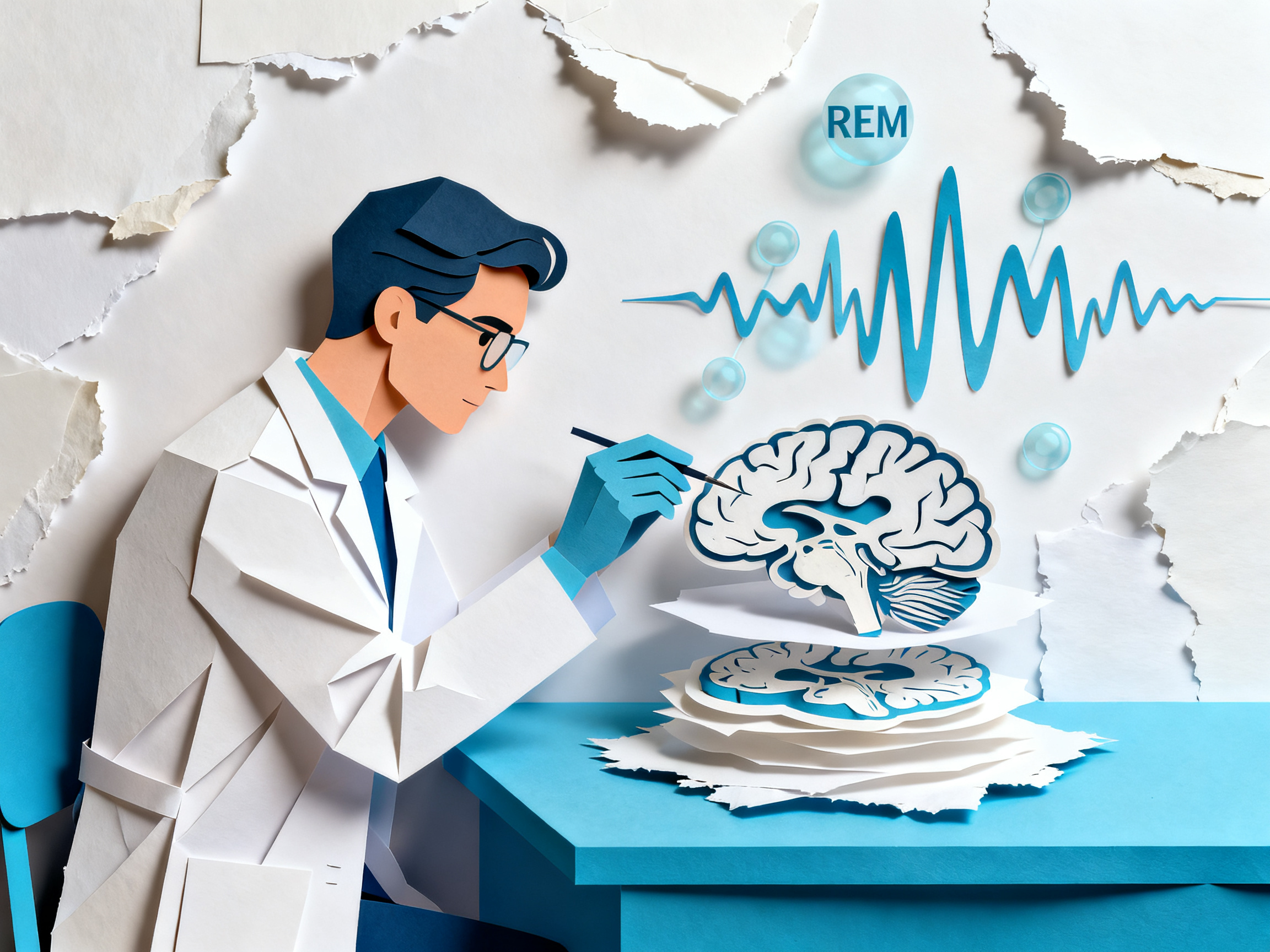
Modern sleep research strongly supports the theory that dreams help process and store memories. Studies consistently show that people who get adequate REM sleep perform better on learning tasks and retain information more effectively than those who are sleep-deprived. Your brain appears to use dream time to transfer important information from temporary storage to long-term memory banks.
Dreams often incorporate elements from recent experiences, a phenomenon called "day residue." If you spend the day learning a new skill or studying for an exam, you might dream about related activities that night. Brain imaging shows that the same neural networks active during learning reactivate during subsequent REM sleep, suggesting your brain is literally rehearsing and strengthening new memories.
The memory consolidation theory explains why dreams frequently feature familiar people, places, and activities from your waking life. Your brain isn't just randomly mixing memories—it's actively processing them, deciding what to keep, what to discard, and how to integrate new information with existing knowledge. This process may be why you sometimes wake up with solutions to problems you couldn't solve the day before.
💭 Emotional Processing: Dreams as Internal Therapists
Dreams appear to serve a crucial role in emotional regulation and psychological well-being. Research shows that REM sleep helps process traumatic experiences, regulate stress hormones, and integrate emotional memories. People who experience trauma often report dreams related to their experiences, suggesting the brain uses dream time to work through difficult emotions.
The emotional processing theory explains why dreams often feature highly charged emotional content—fear, anxiety, joy, or sadness. During REM sleep, the amygdala (your brain's emotional center) becomes highly active while the prefrontal cortex (responsible for rational thinking) remains quiet. This creates ideal conditions for processing emotions without the interference of logical analysis.
Studies of people with post-traumatic stress disorder reveal disrupted REM sleep patterns and recurring nightmares. Successful trauma therapy often correlates with changes in dream content and improved sleep quality. This suggests that healthy dreaming plays a protective role in mental health, helping you process daily stresses and maintain emotional equilibrium.
🛡️ Survival Preparation: Threat Simulation and Social Rehearsal Theories
Evolutionary psychologists propose that dreams serve survival functions by simulating dangerous situations and allowing you to practice responses in a safe environment. The Threat Simulation Theory, developed by Antti Revonsuo, suggests that dreams predominantly feature threatening scenarios because this rehearsal provided adaptive advantages to our ancestors.
Cross-cultural studies support this theory. Children's dreams frequently involve predator attacks, natural disasters, and other survival threats. Adults dream about social conflicts, relationship problems, and work-related challenges. These dream scenarios allow you to explore different responses and outcomes without real-world consequences, potentially improving your ability to handle actual threats.
Social simulation theory extends this concept to interpersonal relationships. Dreams often feature complex social interactions, relationship conflicts, and group dynamics. This nightly social rehearsal may help you navigate complicated human relationships, practice communication strategies, and prepare for challenging social situations. The theory suggests that dreams serve as a training ground for both physical and social survival skills.
🎨 Creative Problem-Solving: Dreams as Innovation Laboratories
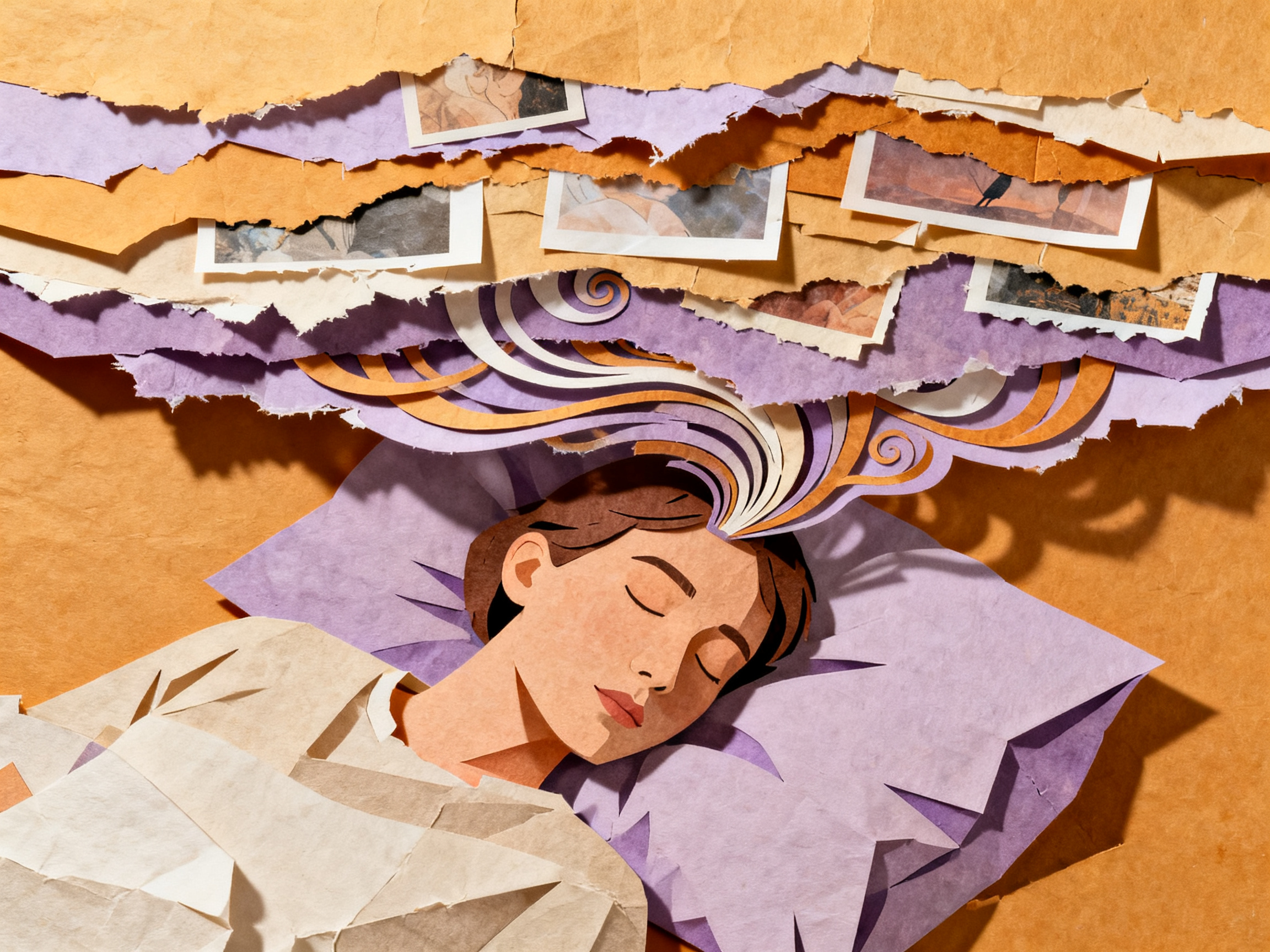
Dreams may facilitate creative insights and innovative problem-solving by exploring unusual associations between ideas. During REM sleep, reduced activity in the prefrontal cortex allows for more flexible thinking patterns, while increased connectivity between brain regions creates novel combinations of concepts. This neurological state appears ideal for creative breakthroughs.
Many famous discoveries and artistic creations reportedly emerged from dreams. Kekulé claimed the structure of benzene came to him in a dream of a snake biting its tail. Paul McCartney said he heard the melody for "Yesterday" in a dream. While these anecdotes are difficult to verify, controlled studies show that people often solve problems better after sleeping on them, particularly if they experienced REM sleep.
The Default Mode Network theory suggests that dreams run predictive simulations of future possibilities, exploring "what if" scenarios that might prove useful later. Your brain combines familiar elements in novel ways, tests different outcomes, and sometimes stumbles upon creative solutions. This process may explain why you occasionally wake up with sudden insights or innovative ideas that seemed impossible the night before.
🔗 Modern Integration: Multiple Functions Working Together
Current scientific consensus suggests that dreams serve multiple functions simultaneously rather than having a single primary purpose. Memory consolidation, emotional processing, creative problem-solving, and threat simulation likely all occur during different phases of sleep and dreaming. This integrated approach helps explain why no single theory has completely solved the mystery of why we dream.
Different aspects of dreaming may serve different functions at various life stages and circumstances. Children's dreams focus heavily on threat simulation and social learning, while adult dreams increasingly involve emotional processing and memory consolidation. Elderly individuals show different dream patterns that may reflect changing cognitive and emotional needs.
Individual differences in dreaming patterns reflect varying psychological needs and circumstances. Some people remember dreams frequently while others rarely recall them, yet both groups appear to dream with similar frequency. These differences may relate to personality traits, emotional processing styles, and life circumstances rather than fundamental differences in dream function.
❌ Don'ts: Common Misconceptions About Dreams
Don't assume that dream symbols have universal meanings. While some themes appear cross-culturally, dream interpretation remains highly personal and context-dependent. A snake in your dream doesn't automatically represent sexuality or danger—it might simply reflect a nature documentary you watched recently.
Don't believe that dreams predict the future or contain supernatural messages. While dreams sometimes seem prophetic, this usually results from coincidence, selective memory, or your brain processing subtle cues you noticed unconsciously. No scientific evidence supports precognitive dreaming or divine dream communication.
Don't worry if you rarely remember your dreams. Dream recall varies significantly between individuals and doesn't indicate anything wrong with your sleep or psychological health. Most people forget 95% of their dreams within minutes of waking, regardless of dream content or emotional intensity.
Don't try to control your dreams unless you're specifically interested in lucid dreaming techniques. Natural dreaming serves important biological and psychological functions that might be disrupted by excessive conscious interference. Let your brain do its nightly work without forced intervention.
Key Takeaways ✨
Dreams remain one of neuroscience's most fascinating unsolved mysteries despite over a century of research. From Freud's psychoanalytic interpretations to modern neuroscientific investigations, each approach has revealed different aspects of why we dream while leaving fundamental questions unanswered.
The current scientific consensus suggests that dreams serve multiple functions: consolidating memories, processing emotions, simulating threats, and facilitating creative problem-solving. Rather than having a single purpose, dreams appear to be your brain's way of maintaining psychological and cognitive health through various overnight processes.
While we may never fully understand why dreams feel so vivid and meaningful, ongoing research continues to reveal how these nightly mental adventures contribute to learning, emotional well-being, and creative thinking. The mystery of dreams reminds us that consciousness itself remains one of the greatest puzzles in science.